
- Home/
- Buy Antabuse Online in the United States Safely and Conveniently
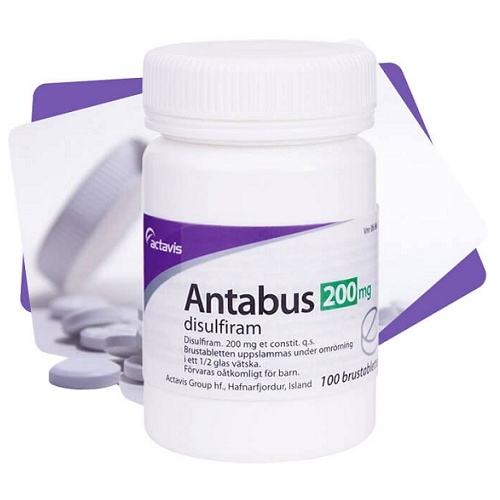
Is Antabuse (Disulfiram) Available in the United States, and Do I Need a Prescription?
Yes, Antabuse (active ingredient: disulfiram) is available in the United States, but it requires a valid prescription from a licensed healthcare provider. Purchasing Antabuse without a prescription is illegal and unsafe. Only FDA-approved pharmacies—whether brick-and-mortar or verified online—are authorized to dispense Antabuse with a doctor’s prescription.
Key Takeaways: Antabuse at a Glance
| Parameter | Details |
|---|---|
| Active Ingredient | Disulfiram |
| Main Use | Treatment of alcohol dependence (chronic alcoholism) |
| Prescription Status (US) | Prescription only (Rx) |
| Legal Authority | FDA (Food and Drug Administration) |
| Onset of Action | Within 12 hours (for alcohol interaction) |
| Main Contraindication | Active liver disease, severe heart disease, or recent consumption of alcohol |
| Interactions | Alcohol (strictly prohibited), certain medications |
| Available Forms | Tablets (250 mg, 500 mg) |
Bottom line: Antabuse is a prescription medication issued under the supervision of a healthcare provider and is strictly regulated by United States law.
How Does Antabuse Work in the Body? (Mechanism of Action Explained)
Antabuse (disulfiram) works by blocking the enzyme aldehyde dehydrogenase in the liver. Normally, when you drink alcohol, your body breaks it down into acetaldehyde (a toxic intermediate) and then quickly into harmless acetic acid. Disulfiram stops the second step, so acetaldehyde builds up in your bloodstream if you consume any alcohol.
This accumulation causes extremely unpleasant reactions—flushing, nausea, vomiting, palpitations, shortness of breath, and sometimes even chest pain or confusion. These effects can start as soon as 10 minutes after drinking alcohol and may last several hours, depending on the dose.
Simplified Metaphor: Imagine a factory line that processes alcohol. Antabuse throws a wrench into the machinery, causing toxic fumes (acetaldehyde) to back up. If any alcohol enters, the system jams, producing a “warning alarm”—the disulfiram-alcohol reaction.
Key point: Antabuse does not reduce cravings directly. Instead, it acts as a strong deterrent by making the experience of drinking alcohol highly unpleasant—even dangerous.
- Clinical effect starts within 12 hours of first dose
- Enzyme inhibition can last up to 2 weeks after the last dose
According to a 2024 meta-analysis (see source), Antabuse is most effective when combined with behavioral therapy and regular monitoring by a healthcare provider.
Myth: Antabuse cures alcohol addiction.
Reality: Antabuse does not cure addiction. It acts as a deterrent, but ongoing counseling and support are essential for lasting recovery.
How Should I Take Antabuse? Dosage and Administration Guidelines
- Standard Starting Dose
- Usually 250 mg once daily, taken in the morning. Some patients may require dosage adjustment (range: 125 mg to 500 mg).
- Maximum Daily Dose
- 500 mg/day. Exceeding this increases side effects and toxicity risk.
- How to Take
- Take tablets with water. May be taken with or without food. If gastrointestinal upset occurs, take with food.
- Tablet Splitting
- Check with your pharmacist—some brands allow splitting, others do not. Do not crush or chew unless told by your provider.
- Missed Dose
- Take as soon as possible, but skip if it’s almost time for your next dose. Do not double up.
- Special Populations
-
- Elderly: May need lower starting dose due to slower metabolism.
- Liver/Kidney Impairment: Avoid use in severe dysfunction; dose adjustment needed in mild to moderate cases—consult a specialist.
- Duration of Therapy
- Often prescribed for 3–12 months, but can be individualized.
- When Will It Start Working?
- Antabuse effects on alcohol metabolism begin within 12 hours and persist for up to 2 weeks after stopping the medication. Do not consume alcohol during this period.
Never start or stop Antabuse without medical supervision!
Food, Alcohol, and Lifestyle: What You Must Know About Antabuse
| Product/Lifestyle Factor | Safe to Combine? | Consequence |
|---|---|---|
| Alcohol (any form, even mouthwash) | NO | Severe reaction, potentially life-threatening |
| Fatty meals | Yes | May delay absorption slightly, but not clinically significant |
| Grapefruit juice | Data lacking | No studies show a significant interaction as of 2026 |
| Caffeine (coffee/tea) | Yes | No significant interaction |
| Over-the-counter cold medicines (check for alcohol!) | Usually not | May contain hidden alcohol—read labels carefully |
- Hidden alcohol sources: Cough syrups, vinegar, sauces, desserts, aftershaves, some topical medications
- Driving/Machinery: Drowsiness may occur in some people—caution is advised
Never mix Antabuse with ANY alcohol-containing product. The reaction can be severe and unpredictable.
Who Should NOT Take Antabuse? (Absolute and Relative Contraindications)
Absolute Contraindications (Never Use)
- Current or recent alcohol consumption (within past 12 hours)
- Severe heart disease (e.g., coronary artery disease, heart failure)
- Severe liver disease or active hepatitis
- Psychosis or severe psychiatric illness
- Known allergy or hypersensitivity to disulfiram or thiuram derivatives
- Pregnancy (unless clearly needed and after risk assessment)
Relative Contraindications (Use With Caution/Close Monitoring)
- Mild to moderate liver dysfunction
- Chronic kidney disease
- Diabetes mellitus (risk of hypoglycemia with alcohol)
- History of seizures or epilepsy
- Age over 65
Explanation: Alcohol use while on Antabuse can lead to cardiovascular collapse, arrhythmias, or severe hypotension. Liver toxicity is a risk because Antabuse is processed in the liver. Severe psychiatric illnesses may worsen under stress from adverse reactions.
No large-scale clinical studies have evaluated use of Antabuse in children or adolescents. Its use is not recommended in these groups.
What Side Effects Are Most Common With Antabuse?
Side Effects by Frequency (FDA/WHO Classification)
-
Very Common (>10%)
- Metallic or garlic-like aftertaste
- Drowsiness, fatigue
-
Common (1–10%)
- Headache
- Skin rash or acne
- Mild liver enzyme elevation
- Impotence or reduced libido
-
Rare (<1%)
- Peripheral neuropathy (numbness, tingling in hands/feet)
- Psychotic reactions, delirium (particularly at high doses)
- Severe hepatitis or liver failure
-
Very Rare (<0.01%)
- Allergic reactions (anaphylaxis, angioedema)
Mechanism Behind Key Side Effects
- Metallic taste: Likely due to altered mouth chemistry from disulfiram metabolites.
- Hepatotoxicity (liver damage): Occurs because disulfiram is metabolized in the liver, producing reactive intermediates.
What Should I Do If I Get Side Effects?
- For mild symptoms (e.g., metallic taste, drowsiness), inform your doctor at your next visit.
- For severe symptoms (jaundice, severe rash, confusion): Stop Antabuse immediately and seek emergency care.
- If you experience signs of an allergic reaction (swelling, difficulty breathing), call 911 or emergency services.
How Does Antabuse Compare to Other Alcohol Dependence Medications?
| Feature | Antabuse (Disulfiram) | Naltrexone | Acamprosate |
|---|---|---|---|
| Mechanism | Aldehyde dehydrogenase inhibitor (makes drinking unpleasant) | Opioid receptor antagonist (reduces reward effect of alcohol) | Glutamate modulator (restores brain balance) |
| Onset of Action | 12 hours (deterrent effect) | 1–2 hours | 5–7 days |
| Effect on Craving | No | Yes | Yes |
| Main Side Effect | Disulfiram-alcohol reaction, liver toxicity | Nausea, headache, liver risk | Diarrhea, insomnia |
| Contraindications | Liver disease, heart disease, recent alcohol use | Opioid use, liver failure | Severe kidney failure |
| Typical Cost (US, per 30 days) | $60–100 (generic cheaper with insurance) | $60–120 | $90–150 |
In short: Antabuse is best suited for highly motivated patients seeking a deterrent. Naltrexone and acamprosate are better for those with strong cravings or a desire to moderate drinking, but each comes with its own risks and benefits.
Consult your healthcare provider to find the best fit for your individual needs.
Key Characteristics and Clinical Summary
| Generic Name | Disulfiram |
| Brand Names (US) | Antabuse, and generics |
| FDA Approval | Yes (original approval: 1951; latest label update: 2025) |
| Dosage Forms | Tablets: 250 mg, 500 mg |
| Metabolism | Liver (CYP pathways) |
| Elimination | Urine (main); feces (minor) |
| Half-life | 60–120 hours |
| Insurance Coverage | Often covered by insurance and Medicaid/Medicare; co-pays vary |
Tip: Ask your pharmacist in cities like New York, Houston, Los Angeles, or Chicago about insurance and generic options.
How Do I Legally Get Antabuse in the United States? (Step-by-Step Guide)
-
Schedule an appointment with a licensed healthcare provider
You can do this in person or through a telemedicine service regulated in your state (e.g., Teladoc, Amwell, or local hospital virtual visits). -
Complete a health evaluation
Your provider will assess your medical history, liver and heart function, and mental health to determine if Antabuse is appropriate. -
Obtain a valid prescription
If approved, your provider will send an electronic prescription directly to a pharmacy of your choice. -
Pick up your medication from a certified pharmacy
Use a local pharmacy or a verified national chain (e.g., CVS, Walgreens, Walmart). You may also use accredited online pharmacies listed at PharmacyChecker. -
Do NOT order from unverified websites
If a website offers Antabuse without a prescription, it is operating illegally in the U.S. and may be selling counterfeit or unsafe products.
How to Identify Genuine Antabuse and Avoid Counterfeits
- Packaging: Official Antabuse and generic disulfiram come in sealed blister packs or bottles, marked with the manufacturer’s name, NDC, lot number, and expiration date.
- Tablet Appearance: Tablets are typically white or off-white, round, with imprinted dosage (e.g., “250” or “500”).
- Verification Elements: Some manufacturers include QR codes, holograms, or tamper-evident seals on boxes (especially for generics)—scan or check these when possible.
- Counterfeit Warning Signs: Unusual tablet color, misspelled labels, lack of manufacturer or NDC information, or prices far lower than typical U.S. pharmacies.
- Generics: FDA-approved generic disulfiram must meet the same quality and efficacy standards as brand-name Antabuse. Inactive ingredients (excipients) may differ—ask your provider if you have food or dye allergies.
Still not sure? Use the FDA’s BeSafeRx resource to verify your pharmacy.
Special Patient Groups: What Else Should I Consider?
- Pregnancy and Breastfeeding: Disulfiram should be avoided unless benefits outweigh risks. There are no adequate, well-controlled studies in pregnant women. Not recommended during breastfeeding.
- Older Adults: Higher risk of liver or heart complications—start at the lowest effective dose and monitor closely.
- Liver or Kidney Disease: Avoid use in severe impairment; monitor enzymes regularly.
- Mental Health Disorders: Caution in those with a history of depression, suicide attempts, or psychosis. Antabuse may worsen psychiatric symptoms.
- Ability to Drive/Operate Machinery: Mild drowsiness or confusion is possible, especially during the first weeks. Avoid hazardous activities until you know your reaction.
- Fertility: No evidence of direct negative impact on fertility, but alcohol misuse itself can reduce fertility in any gender.
No clinical studies have been conducted on disulfiram safety in children or in patients with rare metabolic disorders.
What Should I Do if I’ve Taken Too Much Antabuse? (Emergency Guide)
- Stop taking Antabuse immediately.
- Call 911 or your local emergency number and provide full details, including the amount taken and time.
- Do NOT try to induce vomiting unless instructed by poison control or your provider.
- Bring the Antabuse packaging with you or relay the NDC and lot number.
- If you have consumed alcohol in combination with an overdose, inform emergency personnel immediately—this is a life-threatening situation.
Symptoms of overdose: Drowsiness, vomiting, loss of coordination, mental confusion, low blood pressure, seizures, or unconsciousness.
Prompt treatment saves lives.
Psychological Support: You’re Not Alone
Alcohol dependence is a medical condition, not a personal failure. Millions of people in the United States face similar challenges. Using Antabuse is just one part of recovery—counseling, group support (like Alcoholics Anonymous), and talking openly with loved ones can greatly improve your chance of long-term success.
Bottom line: Effective treatment addresses both physical dependency and the underlying psychological factors. Seek help—recovery is possible.
FAQ: Quick Answers to Common Questions About Antabuse
- Can I get Antabuse without a prescription in the United States?
- No. A valid prescription from a licensed U.S. healthcare provider is required.
- What happens if I drink alcohol while taking Antabuse?
- You will likely experience a severe and rapid reaction (nausea, vomiting, chest pain)—it can be dangerous or even fatal.
- How long should I take Antabuse?
- Duration varies, but most courses last 3–12 months. Your provider will tailor this to your needs.
- Is it safe to use Antabuse with other medications?
- Some drugs interact with disulfiram. Always tell your provider about all medications, including over-the-counter and supplements.
- Are there generic versions of Antabuse?
- Yes, FDA-approved generics are available and considered equivalent in efficacy and safety, though inactive ingredients may differ.
- Can Antabuse cure alcohol dependence?
- No. It acts as a deterrent but does not address cravings or root causes. Comprehensive therapy is necessary.
- What should I do if I miss a dose?
- Take it as soon as you remember. If it’s almost time for your next dose, skip the missed dose—never double up.
- How much does Antabuse cost in the United States?
- Prices range from $60–100 per month for brand, less for generic. Costs vary depending on insurance and location.
- Can I drive while taking Antabuse?
- Most people can, but some experience drowsiness or confusion. Avoid driving if you feel impaired.
References
- FDA. “Antabuse (Disulfiram) Labeling Information and Updates.” Accessed June 2026. FDA Drug Label
- Mayo Clinic. “Disulfiram (Oral Route) Description and Brand Names.” Accessed June 2026. Mayo Clinic: Disulfiram
- National Institute on Alcohol Abuse and Alcoholism (NIAAA). “Medications for Alcohol Use Disorder.” Updated 2025. NIAAA Medications
- PubMed. “Disulfiram for Alcohol Use Disorder: A Meta-Analysis.” 2024. PubMed Study
- Substance Abuse and Mental Health Services Administration (SAMHSA). “Treatment for Alcohol Use Disorder.” 2026. SAMHSA Treatment Info
- BeSafeRx (FDA). “Find a Safe Online Pharmacy.” Accessed June 2026. FDA BeSafeRx