
- Home/
- Buy Doxycycline Online in the United States Fast and Easy
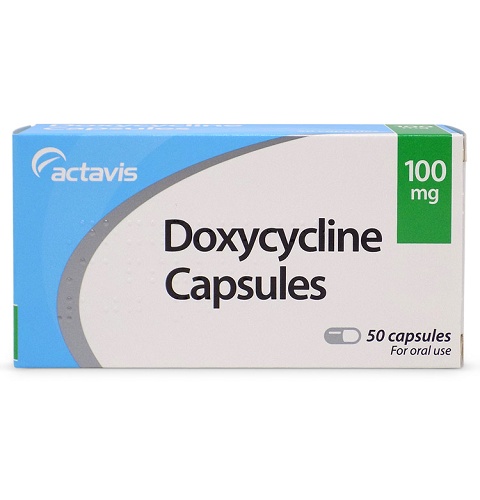
Doxycycline in the United States: Comprehensive Patient Guide 2026
Is a Prescription Required for Doxycycline in the United States?
Yes, a valid prescription from a licensed healthcare provider is required to obtain Doxycycline in the United States. Purchasing Doxycycline without a prescription is illegal and may put your health at risk.
Summary: Key Facts about Doxycycline
- Active Ingredient: Doxycycline (a tetracycline-class antibiotic)
- Main Uses: Bacterial infections (respiratory, skin, urinary tract, some STIs, Lyme disease, malaria prevention)
- Prescription: Required in the United States; not available over-the-counter
- Onset of action: Typically within 24–48 hours of first dose
- Main Contraindication: Pregnancy, children under 8, severe liver or kidney disease; consult your doctor for details
- Insurance: Most U.S. health plans cover Doxycycline; generics are widely available and affordable
- Legal Risks: Buying without a prescription or from unverified sources risks counterfeit medication and legal penalties
How Does Doxycycline Work in the Body?
Doxycycline is a broad-spectrum antibiotic in the tetracycline class. Its mechanism of action centers on inhibiting bacterial protein synthesis. Specifically, doxycycline binds reversibly to the 30S subunit of bacterial ribosomes, blocking the attachment of aminoacyl-tRNA to the ribosomal acceptor site. This prevents bacteria from producing essential proteins, ultimately stopping their growth and replication (FDA).
Metaphor: Imagine bacteria as a factory. Doxycycline acts like a security guard who blocks a key delivery at the loading dock, so the factory can’t make its products—and production halts.
Doxycycline does not destroy bacteria directly (it is bacteriostatic, not bactericidal); instead, it stops them from multiplying, allowing your immune system to clear the infection. It works independently and does not require activation by other substances in the body.
This mechanism makes doxycycline effective against a wide range of bacteria, including atypical organisms like Chlamydia, Mycoplasma, and certain tick-borne pathogens (PubMed).
Expert Commentary from doctor
In my experience, many patients believe antibiotics like doxycycline should “wipe out” infections overnight, but this isn’t the case. It’s crucial to understand that the drug slows bacterial growth, and full resolution often takes several days—even after symptoms improve. I’ve seen patients stop taking doxycycline early, thinking they’re cured, which raises the risk of relapse or antibiotic resistance. Another mistake is using leftover pills from previous courses or sharing medication, which is both unsafe and illegal. Finally, some patients don’t realize that dairy or supplements containing calcium or iron can reduce doxycycline absorption; separating doses by a few hours makes a significant difference in effectiveness.
Dosing and Administration: How to Take Doxycycline Safely
| Condition | Typical Starting Dose | Maximum Daily Dose | Duration |
|---|---|---|---|
| Respiratory/skin infection | 100 mg twice daily | 200 mg | 7–14 days |
| Chlamydia, other STIs | 100 mg twice daily | 200 mg | 7 days (sometimes single 7-day course) |
| Malaria prevention | 100 mg once daily | 100 mg | Start 1–2 days before travel, continue daily during exposure, and 4 weeks after |
| Lyme disease | 100 mg twice daily | 200 mg | 10–21 days |
- Never exceed the maximum daily dose (200 mg) unless directed by your physician.
- Swallow capsules or tablets whole with a full glass of water to avoid throat irritation.
- Take while standing or sitting upright; do not lie down for at least 30 minutes after swallowing.
- For elderly patients or those with mild kidney impairment, standard dosing is usually safe; dose adjustment may be needed for severe liver disease.
- Do not split or crush extended-release tablets. Plain tablets may be split if necessary, but consult your pharmacist first.
Peak concentrations occur 1.5–4 hours after a dose. The clinical effect often becomes noticeable within 24–48 hours, but infections must be treated for the entire prescribed duration to prevent relapse and resistance (CDC).
How Does Food, Alcohol, or Lifestyle Impact Doxycycline?
- Can I take doxycycline with food?
- Yes, but high-fat and high-calcium foods (milk, cheese, yogurt) reduce absorption by up to 20–40%. Ideally, take doxycycline at least 1 hour before or 2 hours after meals with a full glass of water.
- Can I drink alcohol while taking doxycycline?
- Light to moderate alcohol (≤1 standard drink per day) is generally not strictly prohibited, but chronic or heavy alcohol use (>2 drinks/day) may decrease drug levels and increase risk of liver toxicity. Always check with your doctor.
- What about supplements?
- Calcium, iron, magnesium, and zinc supplements block absorption. Separate by at least 2–3 hours from dose.
- Can I have grapefruit juice?
- Grapefruit juice does not have a clinically significant interaction with doxycycline, unlike some other drugs.
- Does smoking affect doxycycline?
- There is no direct known interaction, but smoking can worsen infections and delay healing.
Who Should Not Take Doxycycline?
| Absolute Contraindications (Never Use) | Relative Contraindications (Use with Caution) |
|---|---|
|
|
Why? Tetracyclines can deposit in growing bones and teeth, causing permanent discoloration and enamel hypoplasia in young children and fetuses. Severe liver impairment causes poor metabolism and drug build-up, increasing toxicity risk. Allergic reactions range from rash to life-threatening anaphylaxis.
After a serious allergic reaction (e.g., anaphylaxis), doxycycline or other tetracyclines must be permanently avoided. If you have a history of liver disease, your doctor may require liver function tests before and during therapy.
What Side Effects Are Most Common with Doxycycline?
| Frequency | Side Effect | Details/Mechanism |
|---|---|---|
| Very Common (>1/10) | Nausea, diarrhea, abdominal pain | Direct irritation of stomach lining or altered gut bacteria |
| Common (1/100–1/10) | Photosensitivity (sunburn easily), headache, vomiting | Enhanced skin response to UV light or CNS effect |
| Uncommon (1/1,000–1/100) | Yeast infections (oral/vaginal), mild skin rash | Alteration of normal flora |
| Rare (1/10,000–1/1,000) | Severe allergic reaction, liver toxicity, esophageal ulcer | Immune-mediated, direct tissue irritation |
| Very Rare (<1/10,000) | Increased pressure in the skull (pseudotumor cerebri), blood disorders, severe skin reactions (Stevens-Johnson) | Idiosyncratic, unpredictable |
What to do if side effects occur?
- For mild symptoms (e.g., nausea), try taking with a small amount of food, but avoid dairy.
- For severe or allergic reactions (swelling, rash, shortness of breath), stop the medication and seek emergency care immediately (call 911).
- If you develop a severe headache and vision changes, contact your doctor—rare risk of pseudotumor cerebri.
Common Patient Mistakes Observed by doctor
- Stopping treatment early. Many patients feel better in a few days and stop taking doxycycline. This risks infection recurrence and antibiotic resistance. Tip: Always finish the prescribed course.
- Taking with milk or antacids. Calcium and magnesium products block absorption, making therapy less effective. Tip: Separate these by at least 2 hours from your medication.
- Not sitting up after taking the pill. Lying down can cause the pill to linger in the esophagus, increasing the risk of ulcers. Tip: Remain upright for at least 30 minutes after swallowing.
- Sunbathing or tanning during therapy. Photosensitivity is common and can cause severe sunburn. Tip: Use high-SPF sunscreen and avoid direct sunlight.
- Taking leftover or someone else’s antibiotics. This is unsafe, may be illegal, and can delay appropriate care. Tip: Use only medications prescribed for you.
- Assuming all infections require antibiotics. Doxycycline is not effective against viruses (e.g., colds, flu). Tip: Only take antibiotics when prescribed for a bacterial infection.
Doxycycline versus Other Antibiotics: How Does It Compare?
| Medication | Main Uses | Onset Speed | Duration (per dose) | Key Side Effects | Price per course (USD, 2026) | Prescription Status |
|---|---|---|---|---|---|---|
| Doxycycline | Respiratory, skin, STI, Lyme, malaria | 24–48h | 12–24h | Nausea, sun sensitivity | $6–$18 (generic, 7–10 days) | Prescription |
| Amoxicillin | Respiratory, ENT, dental, UTI | 12–24h | 8–12h | Rash, diarrhea | $5–$14 (generic, 7–10 days) | Prescription |
| Azithromycin | Respiratory, skin, STI | 24h | 24h | GI upset, QT prolongation | $10–$40 (generic, 3–5 days) | Prescription |
Bottom line: Doxycycline is affordable and effective for a wide range of infections, especially when alternatives (like penicillins) are not suitable due to allergies. Sun sensitivity is a unique concern with doxycycline. Always consult your doctor to determine the best option for your infection.
Questions Frequently Asked to doctor
- Can I take doxycycline if I missed a dose?
- If you miss a dose, take it as soon as you remember—unless it’s almost time for your next dose. Do not double up; just return to your normal schedule.
- Is it safe to drink alcohol while on doxycycline?
- Occasional moderate drinking is generally not strictly prohibited, but heavy use can lower effectiveness and stress your liver. Always consult your doctor based on your health status.
- Why can’t children under 8 take doxycycline?
- It can cause permanent tooth discoloration and affect bone growth in young children. Exceptions may be made for life-threatening infections at the doctor’s discretion.
- Can I drive or operate machinery on doxycycline?
- Most people can, but if you experience dizziness or vision changes, avoid driving and contact your doctor.
- What if I develop a rash or feel short of breath?
- Stop the medication immediately and seek emergency medical attention—these could be signs of a serious allergic reaction.
- Is long-term use of doxycycline safe?
- For chronic conditions like acne or rosacea, your doctor will monitor for side effects such as gut disturbances or liver function changes. Long-term therapy may also increase risk of resistance.
- How soon will I feel better?
- Many people notice improvement within 2–3 days, but finish the full course even if you feel better sooner.
Doxycycline: Key Characteristics Table
| Parameter | Value |
|---|---|
| Active Ingredient | Doxycycline |
| Drug Class | Tetracycline antibiotic |
| Dosage Forms | Capsule, tablet, syrup, injection, extended-release tablet |
| Bioavailability | ~90–100% (oral) |
| Onset of Action | 24–48 hours |
| Half-life (T1/2) | ~18–22 hours |
| Metabolism | Minimal hepatic metabolism |
| Excretion | Biliary and urinary |
| Common Side Effects | GI upset, photosensitivity |
| Prescription Required? | Yes |
How to Obtain Doxycycline Legally in the United States: Step-by-Step
- Consult a licensed healthcare provider. Schedule an in-person or telemedicine appointment in your state (e.g., via your local clinic or reputable telehealth platform).
- Medical evaluation. The provider will assess your symptoms, review your medical history, and determine whether doxycycline is appropriate.
- Receive a prescription. If indicated, your provider will issue a prescription—either a paper copy or an electronic prescription (e-prescribe).
- Fill your prescription at a licensed pharmacy. You may use a brick-and-mortar pharmacy (e.g., CVS, Walgreens in New York, Los Angeles, Chicago, etc.) or a verified online/mail-order pharmacy registered in the United States.
- Insurance and payment. Most insurance plans cover generic doxycycline; present your insurance card at pickup or check with your pharmacy for copay details.
- Follow pharmacist instructions. Always review dosing, interactions, and side effects at the pharmacy and clarify any issues with your pharmacist before starting therapy.
Remember: It is illegal and unsafe to purchase doxycycline from sources that do not require a prescription or are not registered with the FDA.
Is It Legal to Buy Doxycycline Online in the United States?
You may only buy doxycycline online through a pharmacy licensed and registered in the United States, which requires a valid prescription. Verified pharmacies typically display the NABP (National Association of Boards of Pharmacy) “VIPPS” seal or are listed on the NABP website.
- Never purchase doxycycline from foreign websites or those offering the drug without a prescription: these are likely illegal and may provide counterfeit or unsafe products.
- Customs authorities may seize illegal imports, and you may face legal penalties.
- Prescription requirements are designed to ensure proper diagnosis, dosing, and monitoring for side effects.
How to Spot Counterfeit Doxycycline: Safety and Quality Check
- Check the packaging: U.S.-approved doxycycline comes in sealed blister packs or bottles with clear labeling: drug name, strength (e.g., 100 mg), manufacturer (e.g., Teva, Mylan, Pfizer), batch number, expiration date.
- Look for anti-tampering features: Quality U.S. products may have holograms or barcodes. Some manufacturers use QR codes for verification.
- Appearance: Doxycycline capsules are typically light yellow or greenish, sometimes with imprint codes. Tablets are usually yellow, round, or oval, with score marks or engravings.
- Be wary of: Unlabeled pills, non-U.S. packaging, misspellings, faded text, or prices that seem “too good to be true.”
- If in doubt: Verify the product with your pharmacist or contact the FDA’s MedWatch program (FDA MedWatch).
Original vs Generic Doxycycline: What’s the Difference?
Generic doxycycline contains the same active ingredient and dosage as the original brand (e.g., Vibramycin). Generics are FDA-approved for bioequivalence, meaning they work the same, but may contain different inactive ingredients (excipients) such as coloring agents, binders, or fillers.
- Advantages of generics: Lower price, wide availability, covered by most insurance plans.
- Disadvantages: Rarely, inactive ingredients may cause allergic reactions in sensitive individuals. Ask your pharmacist if you have known allergies.
- How to choose: Both branded and generic versions are effective; for the vast majority of patients, generics are a safe and cost-effective choice.
Doxycycline Use in Special Patient Groups
- Pediatric patients: Not recommended under age 8 except for severe or life-threatening infections. Tooth discoloration risk is highest in children.
- Pregnancy and breastfeeding: Not recommended during pregnancy; use only if benefits outweigh risks and no safer alternatives exist. Use caution with breastfeeding—trace amounts pass into milk.
- Elderly: No routine dose adjustment needed, but monitor for GI upset and sun sensitivity.
- Kidney/liver disease: Generally well-tolerated in mild-moderate impairment; dose adjustment may be necessary in severe liver disease.
- Fertility: No evidence that doxycycline impairs fertility in humans.
- Driving/operation of machinery: Doxycycline rarely causes dizziness; avoid activities requiring alertness if you experience this side effect.
Pharmacokinetics: How Doxycycline Is Absorbed, Distributed, and Eliminated
- Absorption: Oral bioavailability is high (~90–100%). Onset is within 1.5–4 hours after ingestion.
- Distribution: Penetrates most body tissues, including lungs, skin, and genital tract; crosses placenta and passes into breast milk.
- Metabolism: Minor hepatic (liver) metabolism.
- Elimination: Primarily through bile (feces) and urine; half-life is approximately 18–22 hours.
- Implications: Patients with severe liver dysfunction may require dose adjustment due to reduced elimination.
Compatibility: Can Doxycycline Be Combined with Other Medications?
| Medication/Product | Can Be Combined? | Consequences |
|---|---|---|
| Acetaminophen | Yes | No significant interaction |
| Ibuprofen | Yes | Monitor for GI side effects |
| Oral contraceptives | Yes, but use backup method | May reduce effectiveness of birth control |
| Iron supplements | No (separate by 2–3h) | Blocks absorption |
| Calcium/Magnesium antacids | No (separate by 2–3h) | Blocks absorption |
| Warfarin (anticoagulant) | With caution | May increase bleeding risk; monitor labs |
| Isotretinoin (acne treatment) | Avoid | Increased risk of intracranial hypertension |
Always inform your doctor and pharmacist about all medications and supplements you are taking.
What to Do in Case of Doxycycline Overdose
- Stop doxycycline immediately.
- Call 911 or your local emergency services if you experience severe symptoms (confusion, fainting, seizures, severe allergic reaction).
- Inform the healthcare team: Report the exact dose, time taken, and any symptoms experienced. Bring the packaging with you if possible.
- Do not attempt to “flush out” the drug at home or induce vomiting unless specifically instructed by medical personnel.
Psychological Support: Managing Your Condition
If you’ve been prescribed doxycycline, remember that bacterial infections are common and treatable. Needing antibiotics is not a sign of weakness or poor hygiene. If your infection is related to a sensitive issue (e.g., a sexually transmitted infection), consider discussing your concerns with a trusted partner or a mental health professional. Most people recover fully with proper treatment.
Professional Opinion of doctor
As a physician, I prescribe doxycycline regularly for a variety of bacterial infections, particularly when a broad-spectrum antibiotic is needed or when patients are allergic to penicillins. In my view, its cost-effectiveness, oral bioavailability, and activity against atypical pathogens make it an excellent first-line choice for many indications such as pneumonia, chlamydia, Lyme disease, and acne. The main risks involve misuse (e.g., taking with dairy, sun exposure, stopping early) and rare but severe side effects like allergic reactions or liver toxicity.
Doxycycline is not appropriate for everyone—pregnant women and young children should be offered alternatives when possible. For some infections, newer or more targeted antibiotics may be preferable based on local resistance patterns. Ultimately, good outcomes rely on proper diagnosis, adherence to the full prescribed course, and partnership with a healthcare provider.
FAQ: Doxycycline Use in the United States
- Can I get doxycycline without a prescription in the United States?
- No, a prescription is legally required. Purchasing without one is illegal and unsafe.
- How fast does doxycycline work?
- Most people notice symptom improvement within 24–48 hours, but full recovery requires completing the prescribed course.
- Is doxycycline safe for long-term use?
- It can be used long-term for certain conditions (e.g., acne, rosacea) under medical supervision, but requires monitoring for side effects and resistance.
- Does doxycycline interact with birth control?
- It may reduce effectiveness of oral contraceptives; use backup protection during therapy and for 7 days after.
- Can I take doxycycline if I have a penicillin allergy?
- Yes, they are unrelated; doxycycline is often prescribed for those with penicillin allergies.
- Is it okay to stop doxycycline once I feel better?
- No, always finish the full course to avoid relapse and resistance.
- What should I do if I throw up after taking doxycycline?
- If vomiting occurs within 1 hour, contact your doctor; you may need to repeat the dose.
- Is doxycycline covered by insurance?
- Most U.S. health plans cover generic doxycycline; confirm with your provider or pharmacy.
- Can I buy doxycycline online legally?
- Only from U.S.-licensed pharmacies with a valid prescription. Avoid sites that do not require a prescription.
- What are signs of an allergic reaction?
- Rash, itching, swelling, trouble breathing. Stop the medication and seek immediate medical attention.
Sources and References
- U.S. Food and Drug Administration. Drug Approvals and Databases. Accessed June 2026. https://www.fda.gov/
- Centers for Disease Control and Prevention. Doxycycline – Drug Information. Accessed June 2026. https://www.cdc.gov/
- Mayo Clinic. Doxycycline (Oral Route) – Description and Brand Names. Accessed June 2026. Mayo Clinic Doxycycline
- PubMed. Doxycycline: Pharmacology and Clinical Use. Accessed June 2026. https://pubmed.ncbi.nlm.nih.gov/
- National Association of Boards of Pharmacy. Verified Pharmacy Program. Accessed June 2026. https://nabp.pharmacy/programs/accreditation/
- World Health Organization. Model List of Essential Medicines – Doxycycline. Accessed June 2026. https://www.who.int/