
- Home/
- Buy Nolvadex in Online Pharmacy for United States Customers
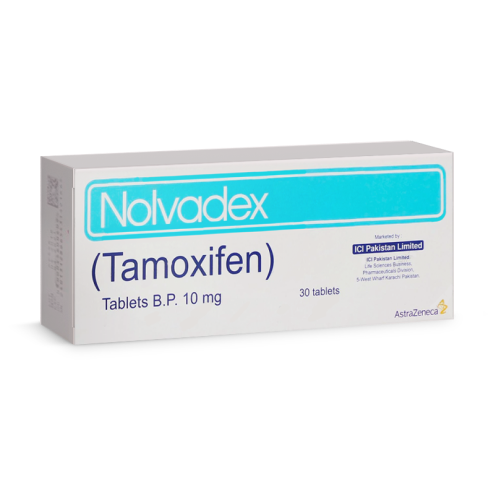
Nolvadex (Tamoxifen) in the United States: Your Complete 2026 Guide
Direct Answer: In the United States, Nolvadex (tamoxifen) is only available with a valid prescription from a licensed healthcare provider. Purchasing Nolvadex without a prescription is illegal and unsafe.
Nolvadex at a Glance: Key Facts
| Parameter | Value |
|---|---|
| Active ingredient | Tamoxifen citrate |
| Primary use | Breast cancer therapy (estrogen receptor-positive) |
| Prescription required (US) | Yes |
| Main contraindication | History of deep vein thrombosis or pulmonary embolism |
| Typical dosage | 20 mg once daily (may vary by indication) |
| Can tablet be split? | Yes, if scored (check product) |
| Estimated price range (US, 2026) | $15–$80/month (generic tamoxifen; brand higher) |
| Insurance coverage | Usually covered by most US health plans and Medicare Part D |
Bottom line: Nolvadex (tamoxifen) is a prescription-only, evidence-backed therapy for certain breast cancers. It must be used under medical supervision.
How Does Nolvadex Work? (Mechanism of Action Explained)
Nolvadex contains tamoxifen citrate, classified as a selective estrogen receptor modulator (SERM). In breast tissue, tamoxifen blocks the estrogen receptor (ER), preventing estrogen from binding. This inhibits estrogen-driven growth of certain breast cancer cells (ER-positive).
At the molecular level, tamoxifen competes with estradiol for binding to the estrogen receptor alpha (ERα). Once bound, it changes the receptor’s shape, preventing transcription of estrogen-dependent genes involved in cell proliferation. This action is cytostatic, not cytotoxic: it stops cells from growing but doesn’t directly kill them.
In other tissues (such as bone and endometrium), tamoxifen can have partial estrogen-like effects, which explains some of its benefits (e.g., bone health) and risks (e.g., endometrial cancer).
Analogy: Imagine estrogen as a key unlocking cell growth. Tamoxifen acts like a fake key that fits in the lock but can’t turn it, so the door (cell growth) never opens.
- Works independently of food or sexual stimulation.
- No effect on tumors lacking estrogen receptors (ER-negative).
Clinical evidence: Recent meta-analyses (2023-2024) confirm tamoxifen reduces breast cancer recurrence and mortality in ER-positive patients—up to 48% reduction in recurrence risk over 5 years of use [PubMed].
Expert Commentary from doctor
In my daily practice, I see that many patients are surprised to learn that tamoxifen, while classified as an “anti-estrogen,” actually acts as both an antagonist and an agonist depending on the tissue. This dual action is why regular monitoring is so important—especially for the uterus, where tamoxifen can stimulate the lining and, very rarely, increase the risk of endometrial cancer. Another subtle but critical point is adherence: the benefits of tamoxifen are only realized with consistent, long-term use. Stopping early or missing doses can dramatically reduce its effectiveness, something I always stress during follow-up visits. Finally, I remind patients that hot flashes or minor side effects are not unusual and can often be managed with simple strategies, so don’t give up on therapy without discussing with your oncologist.
What Is the Recommended Dosage and How Should Nolvadex Be Taken?
- Standard dose for breast cancer: 20 mg orally once daily. Some regimens may prescribe 10 mg twice daily.
- Duration: Usually prescribed for 5 years; sometimes up to 10 years, based on risk and response.
- Maximum daily dose: Do not exceed 40 mg per day unless directed by your oncologist.
- Tablet splitting: Many tamoxifen tablets are scored and can be split, but always verify with your pharmacist.
- Administration: Take with or without food, at the same time each day to maintain steady blood levels.
- Missed dose: If you miss a dose, take it as soon as you remember on the same day. If it’s almost time for the next dose, skip the missed dose—never double up.
- Special populations: Elderly patients and those with mild liver impairment generally do not require dose adjustment, but close monitoring is advised.
- Children/adolescents: Tamoxifen is rarely used in pediatrics; dosing must be specialized by a pediatric oncologist.
Peak plasma concentration is reached about 4-7 hours after oral administration; therapeutic effects may take several weeks to become apparent.
Does Food, Alcohol, or Lifestyle Affect Nolvadex’s Effectiveness?
| Factor | Effect on Nolvadex | Doctor’s Recommendation |
|---|---|---|
| Fatty meals | No significant effect on absorption | Can take with or without food |
| Alcohol | No direct interaction, but may increase liver strain | Limit to <1 drink/day; avoid heavy drinking |
| Grapefruit juice | Potential to interfere with metabolism (CYP3A4) | Best avoided |
| Smoking | May reduce overall cancer survival | Strongly discouraged |
| Physical activity | No negative effect; may improve quality of life | Encouraged within tolerability |
There is no evidence that high-fat meals delay or impair absorption of tamoxifen. However, grapefruit juice may alter liver metabolism enzymes and is best avoided. Alcohol, in moderate amounts, is not strictly prohibited, but heavy drinking can worsen liver toxicity risk, especially in people with preexisting liver disease.
Myth vs Reality: “Nolvadex effectiveness is not dependent on diet, but certain foods (like grapefruit) should still be avoided.”
Who Should Not Take Nolvadex?
- Absolute contraindications (Never allowed):
-
- History of deep vein thrombosis (DVT) or pulmonary embolism (PE)
- Known hypersensitivity to tamoxifen or any excipients
- Pregnancy (Category D: may cause fetal harm)
- Concurrent use with warfarin (for prevention of DVT/PE)
- Relative contraindications (Use with caution):
-
- History of endometrial hyperplasia or cancer
- Severe liver dysfunction
- High risk for cataracts
- History of stroke or uncontrolled clotting disorders
Why? Tamoxifen increases clotting risk by influencing the coagulation cascade, so anyone with prior clotting events is at higher risk for recurrence. In pregnancy, tamoxifen may cause birth defects or fetal loss; effective contraception is mandatory during and for at least 2 months after treatment.
What Side Effects Are Most Common with Nolvadex?
| Frequency | Side Effects | Mechanism/Notes |
|---|---|---|
| Very common (>1 in 10) |
Hot flashes, night sweats, vaginal dryness/discharge, menstrual irregularities, fatigue | Estrogen receptor blockade, CNS effects |
| Common (1–10%) |
Leg cramps, mild nausea, headache, skin rash, weight changes | Hormonal shifts and metabolic effects |
| Rare (0.1–1%) |
Blood clots (DVT, PE), endometrial changes, vision changes (cataracts), liver enzyme elevations | Pro-thrombotic state, partial estrogenic effects |
| Very rare (<0.1%) |
Stroke, uterine cancer, severe allergic reactions | Long-term/endometrial stimulation |
- If you experience: sudden leg pain/swelling, chest pain, shortness of breath, vision loss, or abnormal vaginal bleeding — seek emergency care immediately.
- Most side effects are manageable and often lessen over time. Inform your doctor if they impact your quality of life.
- Regular monitoring (blood work, eye exams, pelvic ultrasounds) is recommended during long-term therapy.
Common Patient Mistakes Observed by doctor
- Stopping Nolvadex abruptly without medical advice: Some patients stop therapy due to hot flashes or fatigue, not realizing this can increase cancer recurrence risk. Solution: Always discuss side effects with your oncologist; many can be managed or will lessen over time.
- Doubling up on missed doses: Taking two doses at once to “catch up” increases side effect risk (especially nausea or dizziness). Solution: Skip the missed dose if close to the next scheduled dose.
- Taking with grapefruit juice or herbal supplements: Some supplements (like St. John’s Wort) and grapefruit can interfere with liver metabolism, reducing effectiveness or increasing toxicity. Solution: Stick to a stable routine and always check new supplements with your healthcare provider.
- Assuming all hot flashes are from tamoxifen: Hot flashes can be due to other causes, including menopause. Solution: Keep a symptom diary and discuss persistent symptoms at follow-up visits.
- Not using effective contraception: Tamoxifen can cause birth defects. Solution: Ensure reliable birth control throughout therapy and for at least two months after stopping.
- Not attending scheduled monitoring visits: Skipping labs or ultrasounds can miss early warning signs of rare but serious complications like uterine changes or liver problems.
How Does Nolvadex Compare to Alternatives?
| Drug | Mechanism | Use Case | Onset Speed | Duration | Common Side Effects | Estimated Monthly Price (2026, USD) |
|---|---|---|---|---|---|---|
| Nolvadex (tamoxifen) | SERM (blocks estrogen receptor) | Pre- and post-menopausal, ER+ breast cancer | Weeks to months | Typically 5-10 years | Hot flashes, clot risk, uterine effects | $15–$80 (generic); $200+ (brand) |
| Arimidex (anastrozole) | Aromatase inhibitor | Post-menopausal, ER+ breast cancer | Weeks to months | Typically 5 years | Joint pain, bone loss, hot flashes | $25–$120 (generic); $350+ (brand) |
| Femara (letrozole) | Aromatase inhibitor | Post-menopausal, ER+ breast cancer | Weeks to months | Typically 5 years | Muscle pain, fatigue, bone loss | $30–$140 (generic); $400+ (brand) |
In short: Nolvadex remains the standard for pre-menopausal women with ER+ breast cancer. Aromatase inhibitors are preferred for post-menopausal women due to slightly lower risk of recurrence and different side effect profiles, but may not be tolerated by all.
Questions Frequently Asked to doctor
- Is it safe to take Nolvadex for more than five years?
- Yes, in some patients at higher risk of recurrence, continuing up to 10 years may offer additional protection. However, this must be weighed against increased risks of rare but serious side effects (like uterine cancer), so long-term use is always an individualized decision.
- What should I do if I miss a dose?
- Take the missed dose as soon as you remember on the same day. If it’s almost time for your next dose, skip the missed one—don’t double up. Consistency is key, so try to set daily reminders.
- Can I drink alcohol while on Nolvadex?
- Occasional moderate alcohol (one drink per day or less) is generally acceptable for most patients, but heavy drinking increases liver strain and may heighten side effect risks. Always discuss your alcohol use with your care team.
- Does Nolvadex interact with other medications?
- Yes, especially blood thinners (like warfarin), certain antidepressants (SSRIs), and some herbal supplements. Always provide your doctor with a complete medication list at each visit.
- Will Nolvadex affect my ability to have children?
- Nolvadex may affect fertility during use but is not a contraceptive. Women of childbearing age should use reliable contraception and avoid pregnancy while on the medication. Discuss family planning with your oncologist before starting.
- Can I drive or operate machinery while taking Nolvadex?
- Most people experience no impairment, though rare cases of dizziness or vision changes can occur. Use caution until you know how the medication affects you.
- How will I know if Nolvadex is working?
- There is no immediate sensation of “effectiveness.” Your doctor will monitor cancer markers, imaging, and overall health at regular intervals.
Key Characteristics of Nolvadex
| Parameter | Value |
|---|---|
| Active substance | Tamoxifen citrate |
| Drug class | Selective Estrogen Receptor Modulator (SERM) |
| Bioavailability | Up to 100% (variable between individuals) |
| Half-life | 5–7 days (prolonged in hepatic impairment) |
| Metabolism | Liver (CYP3A4 and CYP2D6 pathways) |
| Excretion | Biliary (primary), some renal |
| Special monitoring | Liver function, gynecologic exams, eye exams |
How to Obtain Nolvadex Legally in the United States: Step-by-Step Guide
- Consultation: Schedule an appointment with a licensed US healthcare provider (oncologist, primary care, or via telemedicine) to discuss your medical history and determine if Nolvadex is appropriate.
- Evaluation: Your doctor will assess your diagnosis, medical background, and potential contraindications.
- Prescription: If indicated, you will receive a written or electronic prescription for Nolvadex (tamoxifen).
- Purchase: Take your prescription to a US-licensed pharmacy or a verified online/mail-order pharmacy (look for VIPPS accreditation [VIPPS]).
- Insurance/Medicare: Most US health insurance plans and Medicare Part D cover tamoxifen; check with your insurer regarding co-pays and preferred pharmacies.
- Follow-up: Attend scheduled monitoring appointments per your oncologist’s guidance.
Important: US law prohibits importing prescription medications (including Nolvadex) for personal use from abroad, except in very limited circumstances. Illegal online purchases risk customs seizure and exposure to counterfeits.
Online Legality, Counterfeits, and How to Verify Authentic Nolvadex in the US
Is It Legal to Buy Nolvadex Online in the United States?
Only if: You have a valid US prescription and buy from a licensed US pharmacy or a legitimate mail-order pharmacy accredited by NABP (VIPPS program). Websites not requiring a prescription are operating illegally and may sell dangerous counterfeits.
How to Identify Counterfeit Nolvadex
- Packaging: Genuine Nolvadex comes in blister packs or bottles with clear lot numbers, expiration dates, and manufacturer information. Look for QR codes, holograms, and tamper-evident seals (if present).
- Tablet Appearance: Standard Nolvadex tablets are typically white, scored, and may display the manufacturer’s logo or code.
- Price too low? Unusually cheap offers are often a sign of counterfeit products or unregulated generics.
- Generics: Tamoxifen generics (from FDA-approved manufacturers) are safe and effective, but packaging and tablet size/color may differ.
- Pharmacy Verification: Use the NABP Pharmacy Verification Tool to check if an online pharmacy is accredited.
Quality Check: What Should Authentic Nolvadex Look Like?
- Color: White or off-white tablet
- Imprint: Manufacturer code (e.g., “NOLVADEX 20”)
- Shape: Round or oblong, usually scored
- Blister or bottle marked with lot and expiry date
- US-labeled product—never foreign-only language
If in doubt, ask your pharmacist to demonstrate what your prescribed product should look like.
How Is Nolvadex Processed in the Body? (Pharmacokinetics Explained Simply)
- Absorbed through the digestive tract, reaching peak plasma levels in 4-7 hours.
- Metabolized in the liver by CYP3A4 and CYP2D6 enzymes to active metabolites (especially endoxifen, which provides much of the therapeutic effect).
- Eliminated mainly via bile into the stool; some is excreted by the kidneys.
- Half-life: Typically 5–7 days, but can be longer with impaired liver function.
- Special note: Individuals with reduced CYP2D6 activity (due to genetics or drug interactions) may experience decreased benefit.
Specific Considerations for Different Patient Groups
| Population | Precautions/Considerations |
|---|---|
| Pregnant women | Contraindicated. May cause fetal harm—effective contraception required during and 2 months post-treatment. |
| Breastfeeding | Not recommended; tamoxifen may enter breast milk. |
| Elderly | Generally well-tolerated; monitor for cataracts, bone health, and clotting risk. |
| Diabetics | No direct effect on blood sugar, but weight monitoring advised. |
| Liver disease | Use with caution; monitor liver function closely—some require dose adjustment. |
| Women planning pregnancy | Stop tamoxifen at least two months prior to conception; discuss reproductive plans with your care team. |
| Ability to drive | Safe for most; rare dizziness or visual changes—caution until individual response known. |
What to Do in the Event of Overdose
- Stop taking Nolvadex immediately.
- Call 911 or your local US emergency services.
- Inform the medical team of the amount and timing of the dose taken, and provide the medication packaging if possible.
- Do not try to induce vomiting unless instructed by medical professionals.
- Symptoms of overdose may include unsteady walking, tremors, dizziness, or abnormal heart rhythms.
Prompt medical evaluation is required. There is no specific antidote; treatment is supportive.
Professional Opinion of doctor
In my clinical judgment, Nolvadex (tamoxifen) is most beneficial for individuals with estrogen receptor-positive breast cancer, especially premenopausal women or those who cannot tolerate aromatase inhibitors. Its long-term track record is well supported by robust clinical evidence, and most patients tolerate it quite well. However, the therapy is not without risks, including venous thromboembolism, rare endometrial complications, and manageable but sometimes bothersome hot flashes. I always emphasize the necessity of individualized care: for some, an alternative such as aromatase inhibitors or a switch to another SERM may be preferable if side effects are severe or contraindications develop. Open communication, shared decision-making, and regular monitoring are the foundations of successful tamoxifen therapy. Patients should never hesitate to report new symptoms or concerns, as timely adjustments can make a significant difference in quality of life and outcomes.
A Note on Psychological Support
Facing a breast cancer diagnosis and long-term therapy with Nolvadex can be overwhelming. Remember: you’re not alone, and thousands of Americans navigate this journey every year. Psychological symptoms—anxiety, depression, concerns about self-image—are real and valid. Discussing your feelings with your care team, a counselor, or support groups can be as important as the medication itself. If you’re struggling, ask your doctor for a referral to a licensed therapist or support network.
Frequently Asked Questions (FAQ)
- Can I get Nolvadex without a prescription in the United States?
- No, a prescription is required by law. Buying without a prescription is illegal and unsafe.
- Is generic tamoxifen as effective as Nolvadex?
- Yes, FDA-approved generics are clinically equivalent and much less expensive.
- How long do I have to take Nolvadex?
- Most regimens last 5 years; some high-risk patients may need up to 10 years. Your oncologist will decide what’s best for you.
- What happens if I stop Nolvadex early?
- Stopping early increases the risk of cancer recurrence. Always consult your oncologist before making changes.
- Does Nolvadex cause weight gain?
- Some patients report mild weight gain, but the effect is usually small and can be managed with diet and activity.
- Can I use Nolvadex if I’m pregnant or planning to become pregnant?
- No, it is contraindicated in pregnancy due to risk of birth defects. Use effective contraception and discuss plans with your doctor.
- Is it safe to order Nolvadex online?
- Only from a licensed US pharmacy with a valid prescription. Avoid websites that do not require a prescription—they may sell counterfeits.
- Does Nolvadex interact with antidepressants?
- Some antidepressants (e.g., certain SSRIs like paroxetine) can reduce the effectiveness of tamoxifen. Inform your doctor of all medications.
- How do I know if Nolvadex is working?
- Your doctor will use checkups, lab tests, and imaging to monitor progress. There are usually no immediate symptoms of “working.”
- What should I do if I experience severe side effects?
- Contact your doctor immediately for advice. For symptoms like chest pain, leg swelling, or sudden vision changes, seek emergency care.
References
- U.S. Food and Drug Administration. Tamoxifen Label and Approval History. Accessed 2026. https://www.fda.gov/
- National Institutes of Health. Tamoxifen. Drug Information Portal. Accessed 2026. https://druginfo.nlm.nih.gov/
- American Cancer Society. Hormone Therapy for Breast Cancer. Accessed 2026. https://www.cancer.org/
- PubMed. Tamoxifen Clinical Trials and Reviews. Accessed 2026. https://pubmed.ncbi.nlm.nih.gov/
- Mayo Clinic. Tamoxifen (Oral Route) Side Effects and Safety. Accessed 2026. https://www.mayoclinic.org/
- National Association of Boards of Pharmacy (NABP). Pharmacy Verification. Accessed 2026. https://nabp.pharmacy/
- ClinicalTrials.gov. Tamoxifen Studies. Accessed 2026. https://clinicaltrials.gov/
If you have further questions or concerns about Nolvadex (tamoxifen), consult a board-certified oncologist in your area. For urgent concerns, contact your healthcare provider or a US-licensed pharmacist.