
- Home/
- Buy Glucophage Without Prescription Online in the United States
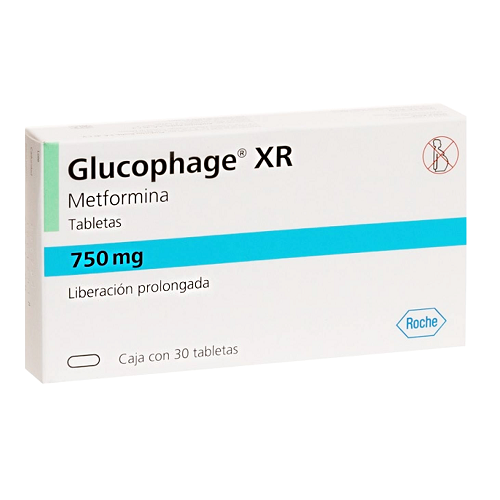
Glucophage (brand name for metformin) is the most widely prescribed first-line medication for type 2 diabetes in the United States. It improves blood sugar control without causing weight gain or low blood sugar episodes for most patients. Before starting Glucophage, it’s crucial to know that stomach side effects are common at first—most fade with time, but some patients cannot tolerate them and need an alternative.
“Should I Try Glucophage?” What Actually Matters in This Decision
Picture a typical doctor’s appointment in a U.S. primary care clinic. You’ve just been diagnosed with type 2 diabetes. The doctor leans in: “Let’s talk about Glucophage. For most people, it’s where we start.” But is it the best place for you to start?
Glucophage (metformin) is the first choice for the majority of newly diagnosed adults with type 2 diabetes in the U.S. Not because it’s new—but because it’s reliable, studied in millions, and rarely causes dangerous lows (hypoglycemia) when used alone. Yet the real decision is more personal: Will it fit your life, your other health issues, and your priorities?
So the first question isn’t “should everyone with diabetes take Glucophage?”—it’s “how does this medication match up with my health profile and my preferences?” That’s where your real decision starts.
How Glucophage Changes Daily Life with Type 2 Diabetes
Blood sugar numbers don’t just live in your lab results—they shape how you feel, what you can eat, and the long-term risks you face. Glucophage changes those numbers in a way no other diabetes drug does.
Metformin, the ingredient in Glucophage, lowers blood sugar by making your body’s own insulin work better, especially in the liver. It doesn’t force your pancreas to make more insulin, and it doesn’t make your blood sugar crash. That’s why hypoglycemia is almost never a problem with Glucophage alone. Instead, most people notice something subtler: steadier energy, a bit of weight loss or at least no gain, and often a quieter mind about food choices.
- Insulin Resistance
- A condition where the body’s cells do not respond well to insulin, causing blood sugar to rise. Metformin’s main job is to improve this process.
The impact on daily life? For many, fewer food restrictions, less worry about meal timing, and—after the first weeks—less focus on their diabetes every hour of the day.
- Weight Neutral: Unlike sulfonylureas or insulin, Glucophage rarely causes weight gain. Some people lose a few pounds.
- No “Sugar Crashes”: When taken alone, Glucophage does not trigger hypoglycemia.
- Gradual Benefits: Blood sugar improvements build over several weeks. You may not feel an immediate change, but the numbers do move.
But the daily experience isn’t all upside. About one-third of new users report stomach upset—sometimes mild, sometimes enough to rethink the plan. This is the trade-off at the center of metformin’s story.
Glucophage vs Other Diabetes Medications: What Makes It Different?
| Attribute | Glucophage (Metformin) | Januvia (Sitagliptin) | Ozempic (Semaglutide) |
|---|---|---|---|
| Prescription Status | Required | Required | Required |
| Mechanism | Boosts insulin sensitivity, lowers liver glucose output | Increases insulin release only when blood sugar is high | Mimics GLP-1 hormone to enhance insulin, reduce appetite |
| How It’s Taken | Pill, 1-2 times daily (XR: once daily) |
Pill, once daily | Injection, once weekly |
| Typical A1C Reduction | 1.0–1.5% | 0.5–0.8% | 1.0–1.8% |
| Risk of Hypoglycemia | Very low (alone) | Very low (alone) | Very low (alone) |
| Weight Impact | Neutral or slight loss | Neutral | Often weight loss |
| Common Side Effects | Stomach upset, diarrhea | Nasopharyngitis, headache | Nausea, vomiting, diarrhea |
| Serious Risks | Rare lactic acidosis B12 deficiency (long-term) |
Rare serious allergic reaction | Possible pancreatitis |
| Cost (U.S.) | Low (many generics) | High (brand only) | High (brand only, limited insurance coverage) |
| Insurance Coverage | Almost always covered | Often covered | Variable, often restricted |
| Monitoring Needed | Kidney function, B12 (long-term) | Rarely | Pancreas, GI side effects |
Here’s what these differences mean in practice: Glucophage is usually the first step because it’s effective, safe for most, and doesn’t break the bank. It’s a pill, not an injection. But if you can’t tolerate stomach symptoms, or if you have certain kidney or heart conditions, your doctor may quickly move you to another option. Some newer medications, like Ozempic, lower A1C more and help with weight but at a much higher cost and with different side effect profiles. Insurance coverage may be a hurdle for alternatives, yet nearly all U.S. plans pay for generic metformin.
What Taking Glucophage Really Looks Like—And How to Do It Well
Start low, go slow. That’s not just advice—it’s the reason some people succeed with Glucophage and others don’t.
The typical starting dose for adults in the United States is 500 mg once daily with food. After a week or so, your doctor may increase the dose, usually by 500 mg at a time, until your blood sugar is controlled or you reach the maximum recommended dose (usually 2000 mg to 2500 mg daily, divided in 2-3 doses). For those who experience stomach side effects, a slow dose increase and switching to the extended-release (XR) form can help. No insulin? That’s fine—Glucophage works independently of your pancreas’s remaining capacity.
| Formulation | Initial Dose | Usual Maintenance Dose | Maximum Dose |
|---|---|---|---|
| Immediate Release (IR) | 500 mg once or twice daily | 1500-2000 mg per day (divided 2-3 times) | 2550 mg/day |
| Extended Release (XR) | 500 mg once daily (with dinner) | 1500-2000 mg once daily | 2000 mg/day |
- Take Glucophage with meals to reduce stomach upset.
- Report persistent diarrhea, nausea, or vomiting to your provider.
- If you miss a dose, take it with your next scheduled meal. Don’t double up.
- Some patients respond best to evening dosing, others to split doses—your results may vary.
Adherence matters. Skipping doses or stopping without a plan can lead to uncontrolled blood sugar and, rarely, withdrawal rebound. Most insurance in the U.S. covers at least one generic formulation; confirm your coverage before starting, especially if you need the XR version, which may cost more at some pharmacies.
Which Side Effects Matter Most with Glucophage—and When to Act
Not all side effects are created equal. The ones that arrive in the first week may disappear with time—or signal that Glucophage isn’t for you.
The most common complaints are stomach-related: nausea, bloating, diarrhea, sometimes metallic taste. About 20–30% of patients feel these at first; half of those improve with time. A rare but serious risk—lactic acidosis—worries patients more than it should, but for most, the risk is extremely low (well under 1 in 10,000).
More than 9 out of 10 people who stop Glucophage do so because of stomach side effects, not because of serious risks.
Long-term, another issue emerges: possible vitamin B12 deficiency, especially in older adults or those with stomach disorders. Your doctor may check B12 after a year or two on therapy.
Real-World Safety Summary for Glucophage
| Side Effect | How Common? | When to Call Your Doctor |
|---|---|---|
| Nausea / Diarrhea | Very common (20–30%) | If persistent beyond 2 weeks or unable to keep food down |
| Metallic Taste | Common (5–10%) | If severe or does not improve over time |
| B12 Deficiency | Uncommon (2–5% long-term) | If symptoms of anemia, neuropathy, or routine labs show low B12 |
| Lactic Acidosis | Very rare (<0.1%) | Unexplained muscle pain, breathing difficulty, severe weakness—seek medical help immediately |
| Hypoglycemia | Rare (alone) | Only if on combination with insulin or sulfonylureas |
What does this mean for you? If you can tolerate the first few weeks, your odds of long-term side effects drop sharply. If you develop severe GI symptoms, give your doctor a chance to adjust your dose or switch you to XR before giving up—about half of those who struggle with the regular tablet do well on the extended-release version. But if you have unexplained muscle pain, deep fatigue, or trouble breathing, don’t wait: rare or not, lactic acidosis is a true emergency.
When Glucophage Is Not for You: Contraindications with Real-World Context
- Severe kidney disease (eGFR <30 mL/min/1.73m²): Glucophage can build up in the body and increase the risk of lactic acidosis. Your doctor will check kidney function before and during treatment.
- Allergic reaction to metformin or any ingredient in Glucophage: This is rare but absolute.
- Acute or chronic metabolic acidosis (including diabetic ketoacidosis): Glucophage is never started during these emergencies.
- Moderate kidney impairment (eGFR 30–45): Dose adjustment or close monitoring is needed; some doctors will not start metformin in this range, but continuing at a reduced dose may be safe under specialist care.
- Advanced liver disease or alcohol abuse: Both increase the risk of lactic acidosis—discuss with your provider.
- Severe heart failure: Especially if you have unstable symptoms or recent hospitalization.
- Planned major surgery or contrast dye procedures: You may need to stop Glucophage temporarily; your doctor will advise when to restart.
Context: Most patients with stable, well-controlled health problems can safely use Glucophage, but these red flags are non-negotiable. If your doctor hesitates or recommends extra testing before prescribing, it’s because these risks—while rare—are real.
How to Get Glucophage in the United States—Access, Cost, and Insurance
U.S. patients face a paradox: Glucophage is one of the few diabetes medications that’s both effective and inexpensive, yet access still depends on prescription rules, insurance quirks, and pharmacy inventory.
- Prescription Only: Glucophage cannot be legally obtained in the U.S. without a doctor’s prescription. This applies to both the brand-name and all generic forms (metformin).
- Insurance Coverage: Almost all commercial and government plans (including Medicare Part D and Medicaid) cover at least one generic metformin. Some plans may require a prior authorization for brand-name Glucophage or the XR formulation, especially if generics are available.
- Pharmacy Practice: Most U.S. pharmacies keep generic metformin in stock. Brand-name Glucophage is less common and may require special order. Prices vary: generics can be as low as $4–10/month at big-box pharmacies with discount programs, while the brand can run much higher without insurance.
- Online Pharmacies: U.S. patients can fill prescriptions online or transfer them to a mail-order pharmacy. However, a valid prescription is mandatory—no legal non-prescription access exists.
What about quality? All metformin tablets sold in the U.S. must meet FDA standards, whether they’re branded Glucophage or another generic. FDA oversight means there is no meaningful difference in effectiveness between approved generics and the original brand, though some patients report tolerating one better than another. If you have trouble with a specific generic, ask your pharmacist to order a different manufacturer’s version.
Glucophage: The Real Questions Patients Ask—Answered
- Is Glucophage the same as metformin? Does it matter which one I get?
- Glucophage is the original brand name for metformin, now available in many generic forms. For most patients, there is no difference in effectiveness between Glucophage and FDA-approved generics, though some find the brand or a particular generic easier on their stomach. If you notice a change in side effects after a pharmacy switch, talk to your doctor or pharmacist.
- How soon will I see results after starting Glucophage?
- Most people see blood sugar improvements within 1–2 weeks, but the full effect may take 4–6 weeks as your dose is adjusted. You may not feel different right away; follow-up labs are the best way to track progress early on.
- Why does Glucophage upset my stomach? Will it ever get better?
- Gastrointestinal side effects (nausea, diarrhea) are common because metformin changes how your gut processes sugar. For many, these symptoms improve or disappear after the first few weeks. Taking it with food and trying the extended-release form can help. If problems persist, your doctor can help you adjust the plan.
- Can Glucophage cause low blood sugar?
- When used alone, Glucophage (metformin) does not cause hypoglycemia. The risk only rises if you’re taking it with other medications that lower blood sugar, such as insulin or sulfonylureas. Always know what’s in your regimen.
- Is it safe to drink alcohol while taking Glucophage?
- Small amounts of alcohol are usually safe for most people on Glucophage, but heavy or binge drinking raises the risk of lactic acidosis, a rare but serious complication. If you have liver disease or a history of heavy drinking, discuss with your doctor before starting metformin.
- What if I miss a dose?
- Take your next scheduled dose at the normal time with food. Do not double up or take an extra dose to “catch up.” Missing a single dose is rarely harmful, but consistency is key for blood sugar control.
- How often should my kidney function be checked while on Glucophage?
- Most clinicians check kidney function before starting treatment and annually thereafter, or more often if you have risk factors for kidney disease. This is to ensure metformin remains safe and your dose remains appropriate.
- What’s the bottom line on safety and side effects?
- Most patients tolerate Glucophage well, but about 20–30% have stomach side effects, especially at first. Serious risks like lactic acidosis are extremely rare when prescribed properly. Always report new or severe symptoms to your healthcare provider.
References & Further Reading
- U.S. Food and Drug Administration (FDA)
- CDC – Diabetes Medication Management
- Metformin Prescribing Information, Bristol-Myers Squibb, 2022
- American Diabetes Association: Medication Management
- Mayo Clinic: Metformin (Oral Route)
- Standards of Medical Care in Diabetes—2024, American Diabetes Association
- ClinicalTrials.gov