
- Home/
- Buy Zithromax at Low Price Online in the United States
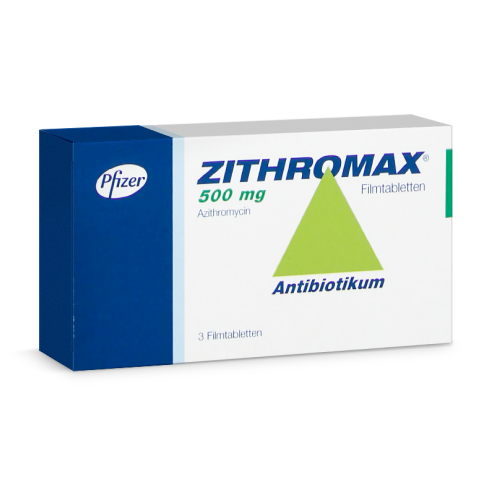
Zithromax (Azithromycin) in the United States: Full Expert Guide for Safe Use, Prescription, and Alternatives
Can I Get Zithromax Without a Prescription in the United States?
No, Zithromax (azithromycin) requires a valid prescription from a licensed healthcare provider in the United States. Purchasing it without a prescription is illegal and potentially dangerous.
Only pharmacies registered with the U.S. Drug Enforcement Administration (DEA) and overseen by the Food and Drug Administration (FDA) are legally allowed to dispense Zithromax upon receipt of a valid prescription.
Summary: Is Zithromax Right for Me? (Key Takeaways Table)
| Parameter | Details (2026, U.S.) |
|---|---|
| Active Ingredient | Azithromycin |
| Drug Category | Antibiotic (macrolide class) |
| Prescription Required? | Yes (mandatory in all states) |
| Typical Onset of Action | Within 24–48 hours of first dose |
| Main Contraindication | Severe liver disease, history of certain heart rhythm disorders |
| Insurance Coverage | Often covered by private/commercial and many public plans |
| Current Market Price (2026) | $15–$60 for a 5-day course (varies by formulation & insurance) |
How Does Zithromax (Azithromycin) Work in the Body?
Zithromax contains azithromycin, a macrolide antibiotic that fights bacterial infections. Its core mechanism is the inhibition of the 50S ribosomal subunit in bacteria. This action stops bacteria from synthesizing proteins they need to grow and multiply, effectively halting the infection’s progression.
Unlike penicillins, azithromycin does not target the bacterial cell wall. Instead, it disrupts the ability of bacteria to make the proteins required for survival. This mechanism makes it effective against a broad range of Gram-positive and some Gram-negative bacteria, as well as atypical pathogens like Mycoplasma pneumoniae and Chlamydia trachomatis [FDA].
Simplified metaphor: Imagine a factory (the bacteria) where workers (ribosomes) build machines (proteins). Zithromax “locks the toolbox,” so workers can’t build. The factory grinds to a halt, and the infection is controlled.
Azithromycin’s unique chemical structure (15-membered lactone ring) allows it to concentrate within cells, especially in the lungs and other tissues prone to infection, which is key to its effectiveness in respiratory and certain sexually transmitted infections [PubMed].
Myth: Zithromax can treat any sore throat.
Reality: It only works against bacterial infections. Most sore throats are viral and won’t respond to Zithromax.
Expert Commentary from doctor
In my practice, one of the biggest misconceptions about Zithromax is the belief that it acts instantly or is a “super-antibiotic” for all infections. I frequently see patients who expect rapid improvement, sometimes within hours. While azithromycin does penetrate tissues quickly, full relief can take 24–48 hours, especially for respiratory infections. Another issue is incomplete courses—patients often stop after symptoms improve, risking relapse or resistance. I advise always finishing the prescribed regimen, even if you feel better. Lastly, Zithromax is not effective against viruses like influenza or the common cold, despite frequent requests for “just in case” prescriptions. It’s crucial to use antibiotics judiciously to avoid the growing problem of antibiotic resistance.
How Should Zithromax Be Taken? (Dosing and Administration Instructions)
- Standard Dosage for Adults
-
- Most respiratory infections: 500 mg once daily for 3 days, or 500 mg on day 1 followed by 250 mg daily for 4 days (total 5-day course).
- Chlamydia trachomatis: Single 1,000 mg (1g) dose.
- Skin/soft tissue: Similar to respiratory protocol unless otherwise directed.
- Children
- Dose is weight-based. Never give to children without pediatrician supervision!
- Maximum Daily Dose
- 1,000 mg (1g) per day should not be exceeded except in rare, doctor-supervised situations.
- Onset and Duration
- Improvement is typically seen in 1–2 days; full infection resolution may take 5–10 days.
- Can I Split Zithromax Tablets?
- Most Zithromax tablets are film-coated for delayed release and should NOT be split unless the packaging explicitly states otherwise. Always check with your pharmacist.
- Elderly Patients or Those with Mild Organ Impairment
- Generally, standard dosing applies. For moderate/severe liver or kidney impairment, dose adjustment or alternative therapy may be necessary—always consult a physician.
Never exceed the prescribed dose or change your regimen without your doctor’s guidance.
Zithromax and Food, Alcohol, and Common Lifestyle Habits
| Factor | Effect / Recommendation |
|---|---|
| Food | Can be taken with or without food. Fatty meals may delay absorption by up to 1 hour, but do not reduce effectiveness. |
| Alcohol | Small/social amounts (1–2 drinks) are not strictly contraindicated, but alcohol may worsen stomach upset and liver strain. Avoid if you have liver issues. |
| Grapefruit Juice | No significant interaction documented with azithromycin, unlike some other antibiotics, but err on the side of caution for sensitive patients. |
| Dairy Products | Unlike tetracyclines, dairy does not interfere with absorption of azithromycin. |
| Supplements/OTC Medications | Antacids containing aluminum or magnesium may reduce peak concentration if taken together. Separate by at least 2 hours. |
Bottom line: While Zithromax is relatively “forgiving” with meals, stick to a consistent routine for best results, and alert your provider if you have digestive side effects or chronic liver disease.
Who Should Avoid Zithromax? Contraindications and Safety Red Flags
| Type | Specifics | Why? |
|---|---|---|
| Absolute |
|
Risk of severe allergic reaction, liver failure, or life-threatening heart rhythm disturbances |
| Relative |
|
May require dose adjustment or closer monitoring |
Always inform your healthcare provider of your full medical history and medication list before starting Zithromax.
What Side Effects Are Most Common with Zithromax?
Side effects are generally mild, but some rare reactions can be serious. Here’s what clinical data and real-world experience show [Mayo Clinic]:
- Very Common (>1 in 10)
-
- Gastrointestinal upset (diarrhea, nausea, abdominal pain)
- Common (1–10 in 100)
-
- Vomiting, headache, altered taste
- Mild skin rash
- Rare (1–10 in 10,000)
-
- Severe allergic reaction (anaphylaxis, angioedema)
- Cholestatic hepatitis or liver inflammation
- Heart rhythm changes (QT prolongation, torsades de pointes)
- Hearing loss (usually reversible)
- Very Rare (<1 in 10,000)
-
- Stevens-Johnson syndrome (blistering skin reaction)
- Severe liver failure
If you experience signs of an allergic reaction (throat swelling, difficulty breathing, hives) or heart symptoms (palpitations, fainting), seek emergency medical care immediately.
For mild symptoms like nausea or diarrhea, continue the medication unless otherwise advised. If these persist or worsen, contact your physician promptly.
Common Patient Mistakes Observed by doctor
- Stopping Zithromax Early: Patients often quit after feeling better within 2–3 days, but stopping short of the full course increases the risk of relapse and antibiotic resistance. Always complete the prescribed duration.
- Taking with Antacids Simultaneously: Many people take stomach remedies (antacids) with their dose, not realizing it can lower azithromycin absorption. Separate by at least 2 hours.
- Mixing with Unreported Medications: Failing to disclose current heart or psychiatric medications can cause dangerous interactions with Zithromax. Keep a current medication list and inform your provider.
- Assuming It Treats Any Infection: Patients sometimes request azithromycin for viral illnesses (like COVID-19), despite lack of evidence and potential risks. Only use antibiotics for confirmed or highly suspected bacterial infections.
- Doubling Up After Missed Doses: Some try to “catch up” by taking two doses together, which can increase side effects. If you miss a dose, take it as soon as you remember, but never double up.
- Buying from Unverified Online Sources: The temptation for “cheap” or “no prescription” Zithromax leads to counterfeit risks. Stick to licensed U.S. pharmacies.
How Does Zithromax Compare to Other Antibiotics in the US?
| Feature | Zithromax (Azithromycin) |
Amoxicillin | Doxycycline |
|---|---|---|---|
| Class | Macrolide | Penicillin | Tetracycline |
| Onset of Action | 24–48 hrs | 12–24 hrs | 24–48 hrs |
| Duration in Body | Up to 5 days post last dose | Shorter (multiple daily doses) | Medium (requires daily dosing) |
| Main Uses | Respiratory, skin, chlamydia | Respiratory, ear, UTI | Tick-borne, acne, chlamydia |
| Common Side Effects | Nausea, diarrhea | Allergy, GI upset | Sun sensitivity, GI upset |
| Contraindicated In | Liver disease, heart arrhythmia | Penicillin allergy | Pregnancy, children <8 |
| 2026 Price (5-day) | $15–$60 | $10–$25 | $18–$40 |
| Prescription Required? | Yes | Yes | Yes |
In short: Zithromax is preferred for some atypical infections and for those allergic to penicillins. It is not typically the first-line choice for urinary tract infections or in patients with certain heart conditions.
Questions Frequently Asked to doctor
- Is it dangerous to take Zithromax if I have a heart condition?
- If you have a history of arrhythmias or take medications that prolong the QT interval, Zithromax may increase your risk of severe heart rhythm problems. Always inform your doctor about your full medical history. Alternatives may be safer in these scenarios.
- What should I do if I miss a dose?
- Take it as soon as you remember, unless it’s almost time for your next dose. Never take two doses at once. Consistency is important for antibiotic effectiveness.
- Can I drink alcohol while on Zithromax?
- Moderate consumption is not strictly forbidden, but alcohol can worsen stomach irritation and stress your liver. Avoid if you have liver disease, and do not binge drink while on antibiotics.
- Will Zithromax affect my birth control?
- No clinically significant interaction between azithromycin and hormonal contraceptives has been documented. However, severe diarrhea or vomiting may reduce absorption of oral contraceptives, so use a backup method if you experience these side effects.
- Can Zithromax be used for viral infections like COVID-19?
- No, azithromycin is not effective against viruses, and its use for viral illnesses is discouraged except in specific cases of bacterial co-infection as judged by your doctor.
- How soon will I feel better after starting Zithromax?
- Many patients notice improvement within 24–48 hours, but you must finish the entire prescribed course even if you feel well before it’s done.
Key Characteristics of Zithromax: Quick Reference Table
| Parameter | Value |
| Active Ingredient | Azithromycin |
| Common Doses | 250 mg, 500 mg tablets |
| Usual Duration | 3–5 days |
| Administration | Oral (tablet or suspension), IV (rare hospital use) |
| Peak Plasma Level | 2–3 hours post-dose |
| Half-life | ~68 hours |
| Elimination | Mainly biliary (liver), some renal (kidney) |
| Cost (2026 US) | $15–$60 per course |
How to Obtain Zithromax Legally in the United States: Step-by-Step Guide
- Consultation: Schedule an appointment with a licensed healthcare provider (MD, DO, NP, or PA) in person or via telemedicine. Telehealth visits are fully legal in all 50 states for most infections.
- Assessment & Prescription: Your provider will evaluate your symptoms, medical history, and may request a physical exam or diagnostic tests. If Zithromax is appropriate, they’ll issue a prescription.
- Fill Your Prescription: Take your prescription to a US-licensed pharmacy. You can use a local pharmacy, a major chain (e.g., CVS, Walgreens), or a verified online pharmacy (check certification via BeSafeRx).
- Insurance & Payment: Most insurance plans cover generic azithromycin. Out-of-pocket costs typically range from $15–$60 for a standard course.
- Receive Medication: For online orders, delivery is available from licensed US pharmacies with tracking and safety checks.
Do not attempt to buy Zithromax from websites that do not require a prescription or are not verifiably based in the US. Illegal importation can result in counterfeit products, legal action, or seizure by U.S. Customs.
Is It Legal to Buy Zithromax Online in the United States?
Purchasing Zithromax online is legal only when you have a prescription and use a licensed US pharmacy. The FDA and .pharmacy program oversee legitimate online pharmacies. Look for the “.pharmacy” domain or certification logos; avoid sites offering Zithromax without a prescription.
- Buying from non-certified or overseas websites is illegal and carries high risk of receiving counterfeits or adulterated products.
- US Customs may seize unauthorized imports, and you could face legal penalties.
- A prescription protects you by ensuring safety, correct diagnosis, and monitoring for side effects or interactions.
How to Recognize Genuine Zithromax vs Counterfeits and Understand Generics
Authentic Zithromax (by Pfizer and approved generics) comes in tamper-evident blister packs or bottles with the following features:
- Zithromax (brand) tablets are typically blue or white, oval, film-coated, and may have “Pfizer” or a unique code engraved.
- Packaging includes a NDC (National Drug Code) number and a lot number; US generics must also display the manufacturer’s name and FDA approval marking.
- Some packaging uses QR codes or holograms—scan with your phone to verify authenticity if the manufacturer offers this service.
- Unusually low prices, blurry printing, missing expiry dates, or foreign-language packaging are red flags for counterfeits.
What about generics? Azithromycin generics are widely available in the US and must meet the same FDA standards as the brand. They may differ in color or shape but will always list “azithromycin” as the active ingredient, plus the manufacturer. Inactive ingredients (excipients) may vary and rarely can cause allergic reactions—check with your pharmacist if you have allergies or intolerances.
Bottom line: Generics provide cost savings with no compromise on clinical effectiveness or safety, provided they are purchased from licensed US sources.
Compatibility: Zithromax with Other Medications and Substances
| Product/Drug | Can it be combined? | Possible Consequence |
|---|---|---|
| Aspirin | Yes | No significant interaction |
| Warfarin (Coumadin) | With caution | May enhance anticoagulant effect; monitor INR |
| SSRIs (e.g., sertraline) | With caution | Possible QT prolongation risk; doctor should assess |
| Antacids (aluminum/magnesium) | Yes, but separate by 2 hours | May lower azithromycin absorption |
| Statins (simvastatin, atorvastatin) | Generally yes | No major interaction; isolated reports of muscle pain |
| Alcohol | With caution | May increase stomach irritation/liver strain |
| Nitroglycerin | Yes | No direct interaction |
| Other antibiotics (clarithromycin, erythromycin) | No | Not recommended—higher risk of side effects |
Pharmacokinetics: How Zithromax Is Absorbed, Processed, and Eliminated
After oral administration, azithromycin is absorbed rapidly, reaching peak plasma concentrations within 2–3 hours. It is widely distributed in the body and especially concentrates within cells, allowing high tissue levels even when blood levels decline.
- Metabolism: Minimal. Azithromycin is not heavily processed by the liver’s cytochrome P450 system (unlike erythromycin).
- Elimination: Mainly excreted unchanged in bile via the liver; a smaller portion via urine.
- Half-life: Approximately 68 hours. This long half-life allows for once-daily dosing and lingering effect after the course ends [FDA].
Why does this matter? In patients with severe liver impairment, elimination may be delayed, increasing risk of toxicity. Always inform your doctor if you have chronic liver or kidney disease.
Special Patient Groups: What If I Have Liver, Kidney, or Heart Conditions?
Liver Disease: Zithromax is primarily eliminated through the liver. If you have moderate or severe liver impairment, azithromycin may accumulate and increase toxicity risk. In these cases, an alternative antibiotic may be preferred, or careful dose adjustment is essential.
Kidney Disease: Mild to moderate kidney impairment usually doesn’t require major dose adjustments, but severe kidney failure can cause drug buildup. Your doctor will assess your kidney function before prescribing.
Heart Disease: Patients with known arrhythmias, prolonged QT interval, or on medications that affect heart rhythm must use Zithromax with caution. The risk of dangerous arrhythmias, though rare, is increased.
Pregnancy & Breastfeeding: Azithromycin is classified as pregnancy category B (no proven risk in humans), but use should be reserved for clear medical need. It is excreted in breast milk in small amounts—discuss with your provider.
Driving & Machinery: Zithromax does not directly impair your ability to drive or use machinery, but side effects like dizziness or fatigue may affect some patients.
What to Do in Case of Zithromax Overdose: Emergency Actions
- Stop taking the medication immediately.
- Call the Poison Control Center at 1-800-222-1222 or dial 911 if you have severe symptoms (fainting, severe rash, difficulty breathing).
- Be ready to provide: the exact amount taken, time of ingestion, and your age/weight.
- Do not attempt to induce vomiting unless directed by medical personnel.
- Bring the medication packaging with you to the hospital or when seeking help.
Overdose symptoms may include extreme nausea, vomiting, hearing loss, or heart rhythm changes. Immediate medical evaluation is always warranted.
Empathy and Psychological Support for Those Needing Antibiotic Therapy
If you’re feeling anxious or embarrassed about needing antibiotics, know that millions of Americans receive short courses of medications like Zithromax every year. Illness is nothing to be ashamed of. If you’re concerned about your health or have questions about treatment, open communication with your healthcare provider or pharmacist is always encouraged.
Remember—addressing infections early and responsibly helps you recover quickly and protects those around you.
Quality Check: How Should Zithromax Look in the US?
Authentic Zithromax tablets (brand by Pfizer) are usually blue or white, film-coated, oval-shaped, and marked with manufacturer-specific codes. US generics may vary in color or shape but must list “azithromycin,” the manufacturer, NDC, and batch number.
- The box or bottle should list FDA approval and have a tamper-evidence seal.
- Some packages feature a QR code—use your phone to check if the pharmacy or manufacturer offers verification.
- Suspicious features: faded printing, no NDC or lot number, unsealed packaging, foreign language-only labeling, or price far below market average.
If in doubt, bring your medication to a licensed pharmacist for evaluation before use.
Professional Opinion of doctor
As a clinician, I find Zithromax to be a valuable tool when used appropriately: it’s particularly effective for community-acquired respiratory infections, certain skin infections, and sexually transmitted infections like chlamydia. The once-daily dosing and short course improve adherence for most patients. That said, I am cautious with patients who have a history of heart rhythm disorders, liver disease, or who take other medications that prolong the QT interval. Not every infection requires antibiotics, and using Zithromax for viral illnesses or undiagnosed symptoms increases risk without any benefit. In cases of severe allergies to penicillins or for atypical pathogens, azithromycin is often my go-to. However, alternatives may be better suited for severe kidney impairment or in situations where resistance is common. Overall, the benefit-to-risk balance is favorable when Zithromax is prescribed after medical evaluation and when patients are well-informed about its limitations and side effects.
FAQ: Top Questions About Zithromax in the United States
- Can I get Zithromax without a prescription?
- No. In the US, you must have a valid prescription from a licensed healthcare provider.
- How quickly does Zithromax work?
- Most patients see improvement within 24–48 hours, but you must complete the full course.
- Is Zithromax covered by insurance?
- Most insurance plans (commercial and public) cover generic azithromycin. Out-of-pocket cost ranges from $15–$60 per course.
- What if I am allergic to penicillin?
- Zithromax is unrelated to penicillins and is often safe for those with penicillin allergies. Inform your doctor of all allergies.
- Can I take Zithromax if I am pregnant?
- Azithromycin can be used in pregnancy if needed, but only when prescribed by your provider.
- What are the signs of an allergic reaction?
- Warning signs include swelling, rash, breathing difficulty, or severe dizziness. Seek emergency care immediately.
- How do I know if my Zithromax is genuine?
- Buy only from US-licensed pharmacies, check the NDC code, tamper seal, and appearance. If unsure, ask your pharmacist.
- Can I drive after taking Zithromax?
- Most people can drive, but if you experience dizziness or fatigue, wait until symptoms resolve.
References
- FDA. U.S. Food and Drug Administration (Accessed 2026)
- Mayo Clinic. Mayo Clinic Official Website (Accessed 2026)
- PubMed. “Azithromycin – Pharmacokinetics and Clinical Use” PubMed.gov (Accessed 2026)
- FDA BeSafeRx. BeSafeRx Online Pharmacy Verification (Accessed 2026)
- NABP .pharmacy program. National Association of Boards of Pharmacy (Accessed 2026)
Conclusion: Zithromax is a potent and effective antibiotic when prescribed appropriately in the United States. Always consult a qualified healthcare provider for diagnosis and legal, safe prescription. If you have questions about your condition or treatment options, speak to your doctor or pharmacist—they are there to help ensure your safety and recovery.