
- Home/
- Buy Clomid Online in the United States – Fast and Secure Ordering
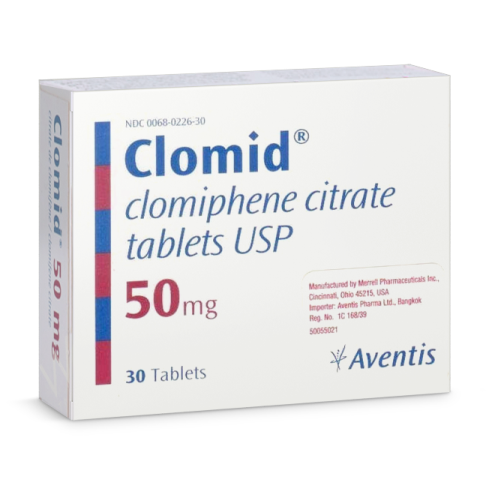
| Medication Brand | Clomid |
|---|---|
| Main Compound | Clomiphene citrate |
| Intended Use | Management of Female Infertility |
| Dosage Strengths Available | 50 mg, 100 mg tablets |
| Typical Starting Regimen | Once daily for 5 days, usually beginning on day 3, 4, or 5 of menstrual cycle |
| Timeframe to Noticeable Effect | Ovulation typically stimulated within 5-10 days after the last dose |
| How Long Effects Last | One menstrual cycle per course, with repeat courses possible if needed |
| Prescription Status in US | Prescription required (FDA approved) |
| Usual Cost Range | $10–$50 for a 5-tablet course (varies by pharmacy and generic/brand) |
Clomid for Female Infertility: Key Considerations in the United States
Clomid (clomiphene citrate) is a well-established medication used to address certain types of female infertility by inducing ovulation. It is approved by the U.S. Food and Drug Administration (FDA) and widely available by prescription throughout the United States. Women who are exploring options to overcome ovulatory challenges may be prescribed Clomid as a first-line therapy, under the guidance of a healthcare professional.
Understanding Infertility: Normalizing a Common, Solvable Challenge
Infertility is far more prevalent than most realize, and you are not alone in facing it. According to the Centers for Disease Control and Prevention (CDC), about 19% of married women aged 15–49 years in the United States are unable to get pregnant after one year of trying (CDC, 2022). Even more, around 26% have difficulty carrying a pregnancy to term. These figures highlight how widespread—and treatable—infertility is. The emotional toll is significant, but treatment options, including medications like Clomid, provide genuine hope for many.
How Clomid Works: Stimulating Ovulation and What That Means for You
Clomid acts at the intersection of brain and ovary function. Specifically, it blocks estrogen receptors in the brain’s hypothalamus, which tricks the body into sensing lower estrogen levels. As a result, the pituitary gland increases the release of follicle-stimulating hormone (FSH) and luteinizing hormone (LH). These hormones are essential for egg development and release (ovulation).
- Practical consequence: For women not regularly ovulating, this medication can initiate the normal hormonal cascade required for the release of an egg, increasing the chance of pregnancy during that cycle.
- What you may notice: Ovulation is usually triggered 5–10 days after completing a 5-day course. Signs may include mid-cycle changes (e.g., mild pelvic discomfort, increased vaginal discharge), a positive ovulation test, or a rise in basal body temperature.
In clinical trials published in Fertility and Sterility (Practice Committee of the American Society for Reproductive Medicine, 2017), about 70–80% of women with anovulatory infertility ovulated with Clomid, and approximately 30–40% became pregnant within six cycles. This makes it the standard first step for many ovulatory disorders.
Is Clomid Right for You? Matching Treatment to Real-Life Scenarios
| Your Situation | Is Clomid Appropriate? | Why or Why Not? |
|---|---|---|
| You have irregular periods or do not ovulate (confirmed by your doctor) | Yes | Clomid is designed to stimulate ovulation in women who do not ovulate on their own, making it a recommended first-line treatment. |
| Your infertility is due to male factors, blocked fallopian tubes, or advanced maternal age (>40) | No | Clomid addresses ovulation issues. Structural or sperm-related infertility will not benefit from ovulation induction—other interventions are needed. |
| You have tried Clomid for several cycles with no ovulation or pregnancy | Possibly not | If you have not responded after 3–6 cycles, your doctor may recommend alternative treatments like gonadotropin injections or IVF. |
| You are actively trying to conceive, have regular cycles, but no pregnancy | Sometimes | Clomid may be considered in “unexplained infertility” but success rates are lower than in anovulatory women. A thorough evaluation is recommended first. |
This decision should always be made with a reproductive endocrinologist or OB/GYN, who can confirm if Clomid genuinely matches your fertility profile.
Putting Clomid Into Practice: What to Expect and How to Navigate the Treatment
- Timing and administration: Clomid is typically started on day 3, 4, or 5 of your menstrual cycle. The usual dose is 50 mg daily for 5 days, but your doctor may adjust this.
- With or without food? It may be taken with or without food at the same time each day to maintain consistency.
- Monitoring: Many doctors recommend monitoring ovulation via blood tests, ultrasound, or ovulation predictor kits to optimize timing for intercourse or insemination.
- If you forget a dose: Take it as soon as you remember if it’s still within the same day; otherwise, skip the missed dose and continue as prescribed. Do not double up. Inform your doctor if you miss more than one dose.
- If you do not ovulate: Your physician may increase your dose or suggest additional cycles, up to a maximum of about 6 cycles. If still unsuccessful, you may be referred for more advanced treatments.
- What’s normal? Mild hot flashes, mood swings, or bloating can occur. Most side effects are self-limited and resolve after stopping the medication. Report persistent or concerning symptoms to your doctor.
- What requires attention? Severe pelvic pain, visual changes (blurred vision, flashes), shortness of breath, or significant abdominal swelling require immediate consultation—these may signal rare but serious complications such as ovarian hyperstimulation syndrome (OHSS).
Expert note from Dr. Sandra Miller, MD, Reproductive Endocrinology — United States: “Clomid is not a ‘one-size-fits-all’ solution. Close monitoring and honest conversation with your provider ensure the best outcomes and minimize risk. Always alert your medical team to any persistent or severe symptoms during a Clomid cycle.”
Contraindications: Who Should Not Use Clomid and Why
- Liver disease: Clomid is processed by the liver. Existing liver impairment can lead to medication accumulation and increased side effects.
- Unexplained uterine bleeding: Use is contraindicated until the cause of abnormal bleeding is established, as underlying conditions may worsen.
- Ovarian cysts (not due to polycystic ovary syndrome): Clomid may enlarge these cysts or worsen pain.
- Pregnancy: Clomid should not be used if you are pregnant—confirm with a test before each cycle.
- Known allergy to clomiphene or related compounds: Risk of allergic reaction.
In any of these situations, your physician will steer you toward alternative treatments. Self-medicating without physician input increases the risk of complications.
Side Effects: What to Expect, How Often, When to Seek Help
- Common (affecting up to 10%): Hot flashes, mood swings, breast tenderness, bloating, nausea, headaches. These are usually mild and temporary.
- Occasional (1–2%): Visual disturbances (blurred vision, spots), ovarian cyst formation, pelvic discomfort. Visual symptoms require prompt discontinuation and medical review.
- Rare but serious: Ovarian hyperstimulation syndrome (OHSS), characterized by rapid weight gain, severe abdominal pain or swelling, vomiting, and shortness of breath. In such cases, contact your physician immediately. If symptoms are severe or rapidly worsening, call 911 or contact the Poison Help line (1-800-222-1222) for urgent assistance in the United States.
- Multiple births (twins or more): Clomid increases the risk of twins to about 7–10% per pregnancy, compared to 1–2% naturally. This should be discussed with your doctor as part of informed decision-making.
Interactions: Other Medications, Supplements, and What to Avoid
Clomid has few known significant interactions, but the following considerations are important:
- Other fertility medications: Combining with injectable gonadotropins increases the risk of OHSS and multiple pregnancies. This should only be done under strict medical supervision.
- Estrogen-containing medications or supplements: These may blunt the effect of Clomid by interfering with its mechanism.
- Herbal supplements: Some herbs marketed for fertility (e.g., black cohosh, vitex) may influence hormone levels, but their safety and efficacy with Clomid are unproven. Disclose all supplements to your provider.
Always inform your healthcare provider about all medications and supplements you are taking, as undisclosed substances may undermine the effectiveness or safety of Clomid treatment.
How Does Clomid Compare? Alternatives and Their Place in Infertility Care
| Medication/Method | When Preferred | Main Drawbacks |
|---|---|---|
| Clomid (Clomiphene) | First-line for anovulatory women with no contraindications | Risk of multiple births, not effective for all causes, limited number of cycles recommended |
| Letrozole (Femara) | PCOS, Clomid-resistant cases, may have higher live birth rates in some studies | Off-label for infertility in the US, possible insurance hurdles |
| Gonadotropin injections | When oral agents fail, or for IVF protocols | Higher cost, increased monitoring, greater risk of OHSS and multiples |
| Assisted reproduction (IUI, IVF) | Blocked tubes, severe male factor, failed oral/injectable therapy | Expense, invasiveness, complex logistics |
Clomid is effective and low-cost for appropriate candidates. However, certain situations—such as PCOS, Clomid resistance, or non-ovulatory causes—may require alternatives. Honest discussion with your fertility specialist will match the treatment to your unique situation.
Price, Prescription, and Access: What to Expect When Buying Clomid in the United States
| Cost Item | Amount | Note |
|---|---|---|
| Doctor consultation (in-person specialist) | $100–$400 | OB/GYN or fertility specialist evaluation (may be covered by insurance) |
| Telemedicine consultation | $30–$100 | Some online clinics provide Clomid prescriptions after virtual screening |
| Prescription processing | $0–$25 | Varies by provider and insurance |
| Clomid (Clomiphene citrate) tablets | $10–$50 per 5-tablet course | Generic versions widely available—brand name may be higher |
| Pharmacy delivery (optional) | $0–$20 | Standard shipping for online pharmacies or same-day delivery in some areas |
| Total | $40–$595 | Depending on insurance, provider type, and delivery choices |
Clomid is only legally available with a prescription in the United States, as mandated by the FDA. While some online pharmacies may offer ways to obtain it with minimal medical review, it’s essential to ensure you are working with a reputable provider licensed in your state. Insurance may offset some costs, but confirm coverage in advance. Delivery options vary; most brick-and-mortar and major online pharmacies can fill prescriptions quickly, often within 24–48 hours.
Addressing Remaining Concerns: Duration, Repeat Courses, and Realistic Expectations
- How many cycles of Clomid can I safely undergo? Most guidelines, including the American College of Obstetricians and Gynecologists (ACOG), recommend up to six cycles in a lifetime. Beyond this, success rates decrease and risks increase.
- Will I need monitoring every time? For safety and optimal results, most clinicians advise ultrasound or hormonal monitoring in at least the first cycle and whenever doses are changed.
- How soon could I conceive? While some women become pregnant in the first cycle, it’s common for conception to take several cycles. Patience and open communication with your care team are important.
- What if I get my period after Clomid? This usually means ovulation did not lead to conception this cycle. Your doctor may recommend repeating the process or adjusting your plan.
- Is self-treatment safe? Using Clomid without professional guidance is not recommended. Proper diagnosis, monitoring, and follow-up are essential to avoid complications and maximize your chances of success.
Most questions about timelines, repeat courses, and next steps will be best addressed in partnership with your OB/GYN or fertility specialist, who can tailor advice to your medical history and response to therapy.
Where this information comes from
- Centers for Disease Control and Prevention (CDC), 2022
- U.S. Food and Drug Administration (FDA)
- American Society for Reproductive Medicine (ASRM), 2017
- American College of Obstetricians and Gynecologists (ACOG)