
- Home/
- Buy Lasix Online in the United States – Fast and Secure Ordering
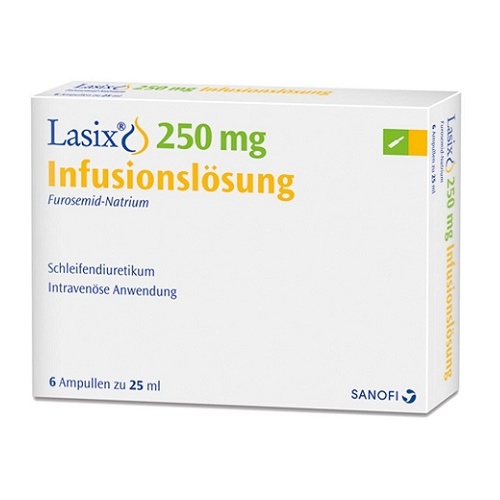
Lasix (Furosemide) in the United States: Prescription, Use, and Safety
Direct Answer: In the United States, Lasix (active ingredient: furosemide) is a prescription-only medication. It cannot be legally purchased without a valid prescription from a licensed healthcare provider. The U.S. Food and Drug Administration (FDA) regulates its use, dispensing, and availability through pharmacies—both in-person and online. Using Lasix without medical supervision can be dangerous.
Quick Summary: Key Facts on Lasix
| Characteristic | Details (United States) |
|---|---|
| Active Ingredient | Furosemide |
| Main Use | Edema (fluid retention) due to heart failure, kidney, or liver disease; sometimes hypertension |
| Prescription Required? | Yes (by law, FDA-regulated) |
| Onset of Action | 30–60 minutes (oral); 5 minutes (IV) |
| Major Contraindication | Severe electrolyte imbalance, anuria, allergy to sulfonamides |
| Most Common Side Effect | Frequent urination, dehydration, low potassium |
| Insurance Coverage | Medicare, Medicaid, and most commercial plans typically cover generic furosemide |
| Generic Available? | Yes |
Bottom line: Lasix is a highly effective, prescription-only diuretic for edema in the United States—but it requires careful medical supervision.
How Does Lasix Work?
Lasix (furosemide) is classified as a loop diuretic. It works by inhibiting the sodium-potassium-chloride co-transporter (NKCC2) in the thick ascending limb of the loop of Henle in the kidneys.
- Biochemical Target
- NKCC2 transporter (responsible for reabsorbing sodium, potassium, chloride)
- Result
- Increased excretion of sodium, chloride, potassium, and water—leading to reduced fluid overload (edema).
Simplified Metaphor: Think of your kidney as a coffee filter. Lasix opens up the filter, letting more water and salt pass into your urine—helping drain excess fluid from your tissues.
Unlike some blood pressure medicines, Lasix does not require specific triggers to work; it acts whenever administered, provided your kidneys are functioning.
Myth vs Reality: Myth: “Lasix flushes out only water.” Reality: It also depletes electrolytes like potassium, which can be dangerous without monitoring.
Instructions: How Should I Take Lasix?
| Patient Group | Standard Starting Dose | Max Daily Dose | Can Tablet Be Split? |
|---|---|---|---|
| Adults (edema) | 20–80 mg once daily (oral) | 600 mg | Yes, but check with pharmacist for scored tablets |
| Children | 1–2 mg/kg once daily | 6 mg/kg/day | Individualized; consult pediatrician |
| Elderly | Start low (20 mg); titrate slowly | As above | Same as adults |
- Peak effect: 1–2 hours after oral dose.
- Duration: About 6–8 hours.
- Adjustments: Required for kidney or liver impairment.
- Never exceed: 600 mg/day without specialist supervision.
- Missed dose: Take as soon as you remember, but skip if close to next dose. Never double up.
Important: Always follow your doctor’s instructions. Self-adjusting the dose can cause severe electrolyte disturbances or dehydration.
Can I Take Lasix with Food, Alcohol, or Other Lifestyle Factors?
- Food
- Lasix absorption is slightly delayed by food but total effect is not reduced. Take with or without food as directed.
- Fatty Meals
- May slow onset by about 30–60 minutes; effect not lost.
- Grapefruit Juice
- No significant interaction reported (unlike some other medications).
- Alcohol
- Not recommended. Both alcohol and Lasix can lower blood pressure and worsen dehydration. Combining them increases fainting risk.
- Physical Activity
- Exercise may amplify water loss and dehydration risk. Monitor for dizziness.
| Product | Combine? | Potential Consequence |
|---|---|---|
| Potassium supplements | Yes, if prescribed | May prevent dangerous low potassium |
| NSAIDs (e.g., ibuprofen) | With caution | May reduce Lasix effect; risk to kidneys |
| Other diuretics | Usually not | Increases risk of dehydration, kidney injury |
| Blood pressure medicines | Yes, with monitoring | Risk of excessive blood pressure drop |
| Lithium | NO | Dangerous lithium toxicity |
Who Should NOT Take Lasix?
- Absolute Contraindications:
- Allergy to furosemide or sulfonamides
- Anuria (unable to produce urine)
- Severe electrolyte imbalance (life-threatening hypokalemia, hyponatremia)
- Severe dehydration
- Hepatic coma or pre-coma
- Relative Contraindications (use only with close supervision):
- Gout (raises uric acid)
- Severe kidney or liver disease
- Pregnancy and breastfeeding (only if benefits outweigh risks)
- Very low blood pressure
- Diabetes (can affect blood sugar)
After a heart attack, Lasix may be considered under strict medical supervision if the patient develops fluid overload. It is never to be used for simple swelling unrelated to organ failure without a clear diagnosis.
Why these limitations? Lasix can rapidly change blood volume and electrolytes, which can trigger arrhythmias, kidney injury, or worsen other health conditions.
What Side Effects Are Most Common with Lasix?
| Frequency | Adverse Effect | Mechanism/Comment |
|---|---|---|
| Very Common (>1/10) | Frequent urination, dehydration, low potassium (hypokalemia) | Direct loss of water and electrolytes |
| Common (1/100 – 1/10) | Dizziness, muscle cramps, high uric acid (gout), low blood pressure | Volume loss, electrolyte shifts |
| Rare (1/10,000 – 1/1,000) | Hearing loss (high doses, IV), pancreatitis | Toxicity at large doses or rapid infusion |
| Very Rare (<1/10,000) | Severe allergic reaction, kidney failure, serious arrhythmia | Idiosyncratic or dose-related |
If you experience severe dizziness, fainting, ringing in the ears, rash, or difficulty breathing, stop the medication and seek emergency care immediately.
Most side effects can be managed by regular blood tests and dose adjustment by your doctor.
Lasix vs Alternatives: How Does It Compare?
| Drug | Class | Onset (oral) | Duration | Cost (generic, per 40mg tab) | Major Risk |
|---|---|---|---|---|---|
| Lasix (Furosemide) | Loop diuretic | 30-60 min | 6-8 hrs | $0.10–$0.50 | Electrolyte imbalance, dehydration |
| Bumetanide | Loop diuretic | 30–60 min | 4–6 hrs | $0.30–$1.00 | Similar to Lasix, but more potent per mg |
| Hydrochlorothiazide | Thiazide diuretic | 2 hrs | 12–18 hrs | $0.05–$0.30 | Less effective for severe edema |
| Torsemide | Loop diuretic | 1 hr | 12–16 hrs | $0.50–$1.50 | Similar risks; longer duration |
In short: Lasix is generally the first-line loop diuretic in U.S. practice because it is cost-effective, widely studied, and flexible in dosing. Alternatives may be used if Lasix is ineffective or causes intolerable side effects.
Lasix in the Body: Absorption, Metabolism, and Elimination (Pharmacokinetics)
- Absorption: Oral bioavailability is about 50% (range 10–100%). IV administration is more predictable.
- Peak plasma time: 1–2 hours (oral), 30 minutes (IV).
- Distribution: Highly protein-bound (over 95%).
- Metabolism: Partially metabolized in the liver (glucuronidation).
- Elimination: Primarily via kidneys (unchanged drug and metabolites); a small amount via bile.
- Half-life (T1/2): 1–2 hours (may be prolonged in kidney or liver impairment).
In plain English: Lasix works fast and leaves the body quickly, but kidney or liver disease can slow this down—leading to increased risk of side effects.
Is Lasix Safe for All Patients? Special Populations Explained
- Geriatric patients: Start with lower doses; monitor closely for dehydration and low blood pressure.
- Pediatrics: Only used under specialist supervision with weight-based dosing.
- Pregnancy: Only if benefit outweighs risk; may affect fetal growth—category C (2024 FDA classification).
- Breastfeeding: May suppress lactation; excreted in breast milk. Not recommended unless essential.
- Impaired kidney or liver: Requires dose adjustment and close monitoring.
- Driving and machinery: May cause dizziness or fainting. Avoid activities requiring alertness if affected.
- Fertility: No evidence it impairs fertility at standard doses.
How to Obtain Lasix Legally in the United States: Step-by-Step
- Consult a healthcare provider (family doctor, specialist, telehealth service) for evaluation and diagnosis of edema or related condition.
- Undergo a physical exam, lab tests (e.g., kidney function, electrolytes) as ordered by your provider.
- Receive a prescription (paper or electronic) if Lasix is appropriate for your case.
- Fill the prescription at a licensed U.S. pharmacy (in-person or reputable online pharmacy registered with the National Association of Boards of Pharmacy).
- Follow dosing and monitoring instructions provided by your doctor and pharmacist.
- Schedule follow-ups for ongoing monitoring and blood tests.
Warning: Sites offering Lasix without prescription are illegal and may supply counterfeit or dangerous products. The U.S. FDA warns against buying medication from unverified sources.
How Can I Tell If My Lasix Is Real or Counterfeit?
- Packaging: FDA-approved Lasix comes in sealed blisters or bottles with English-language labeling, batch number, expiration date, and the manufacturer’s name (e.g., Sanofi-Aventis or generic manufacturer).
- Tablets: Round/oval, white, scored in the middle, imprinted with dosage and logo.
- Unusually low price: May indicate a counterfeit or non-equivalent product.
- Online verification: U.S. pharmacies should display the NABP .Pharmacy seal. Verify with the National Association of Boards of Pharmacy.
- If in doubt: Take the packaging to your pharmacist for verification.
What are generics? These are FDA-approved copies with the same active ingredient, dose, and effectiveness. Generics must meet strict quality standards but may differ in color, shape, or inactive ingredients (excipients). Rarely, allergies to excipients may occur—consult your pharmacist.
Quality Check: Appearance and Packaging of Authentic Lasix
- Color: White tablets
- Shape: Round or oval, depending on manufacturer and dose
- Engraving: Marked with dosage (e.g., “40” for 40mg) and sometimes manufacturer initials
- Packaging: Blister packs or bottles with tamper-evident seal; outer box with U.S. FDA-compliant labeling and QR/hologram (if manufacturer supplies)
- Expiration Date: Clearly printed; never use if expired
- Check NABP .Pharmacy logo: For online orders, this confirms pharmacy legitimacy
Tip: If the tablet looks different from your previous prescription, always check with your pharmacist before use.
What Should I Do If I Take Too Much Lasix?
- Stop taking Lasix immediately.
- Call Poison Control (1-800-222-1222) or 911 if symptoms are severe (confusion, fainting, muscle weakness, irregular heartbeat).
- Provide information on the dose, time, and any symptoms to emergency personnel.
- Do not attempt to self-treat with fluids or potassium unless instructed by a medical professional.
- Save all packaging for evaluation by healthcare staff.
Prompt action may be lifesaving. Overdose can rapidly cause life-threatening dehydration, kidney failure, or cardiac arrhythmias.
Frequently Asked Questions (FAQ) about Lasix in the United States
- Can I buy Lasix without a prescription in the United States?
- No. Lasix is a prescription-only medication by law.
- Is generic furosemide as effective as brand-name Lasix?
- Yes. FDA-approved generics must meet the same standards for safety and effectiveness as brand-name Lasix.
- How fast does Lasix work?
- Oral Lasix typically works within 30–60 minutes; IV Lasix acts in about 5 minutes.
- Can I use Lasix daily?
- Only if prescribed for a chronic condition. Long-term use requires regular monitoring of electrolytes and kidney function.
- What should I do if I miss a dose?
- Take it as soon as you remember unless it’s almost time for your next dose. Never double up doses.
- Does Lasix cause weight loss?
- While weight may drop due to water loss, Lasix is not a safe or legal weight-loss drug.
- Is it safe during pregnancy or breastfeeding?
- Only if benefits outweigh risks. Discuss with your healthcare provider.
- What happens if Lasix “stops working” for me?
- Contact your physician—your underlying condition or kidney function may have changed, or you may need a different therapy.
- Will insurance cover Lasix?
- Most U.S. insurance plans, including Medicare and Medicaid, cover generic furosemide.
References
- U.S. Food & Drug Administration. Lasix (furosemide) Prescribing Information. Accessed May 2024. FDA Lasix Label
- American College of Cardiology/American Heart Association. 2022 Guideline for the Management of Heart Failure. JACC. May 2022. JACC Guidelines
- National Institutes of Health. Furosemide—MedlinePlus Drug Information. Accessed June 2024. NIH MedlinePlus
- FDA. Buying Medicine over the Internet. Accessed June 2024. FDA Online Pharmacy Advice
- PubMed. Pharmacokinetics and Safety of Furosemide – Systematic Review (2023). PubMed Study
- FDA. Protecting Yourself from Counterfeit Drugs. Accessed May 2024. FDA Counterfeit Drug Guidance
Remember: Edema and related conditions are common and manageable. Many people require ongoing support and medication adjustments. If you’re struggling, talk to your healthcare provider or a qualified specialist—help is available and seeking it is a sign of strength.