
- Home/
- Buy Ventolin Inhaler Online in the United States Safely and Easily
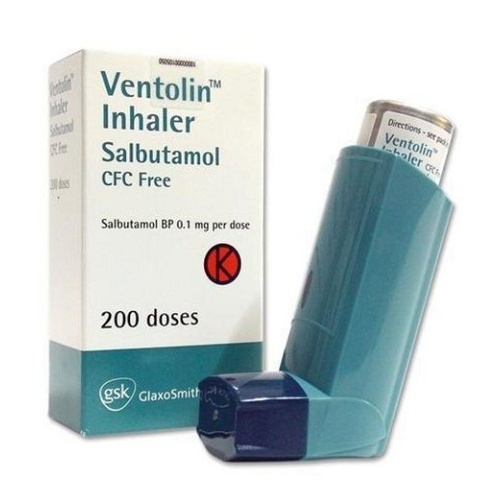
Can Ventolin Inhaler Be Obtained Without a Prescription in the United States?
No, Ventolin Inhaler (salbutamol/albuterol) is a prescription-only medication in the United States. It cannot legally be purchased without a valid prescription from a licensed healthcare provider.
Key Takeaways: What You Need to Know About Ventolin Inhaler in the United States
- Ventolin Inhaler is used for the quick relief of asthma symptoms and is also indicated for other reversible obstructive airway diseases.
- A prescription from a licensed healthcare provider is required to obtain Ventolin Inhaler in any state within the United States.
- Relief of asthma symptoms typically occurs within minutes, but the inhaler does not address underlying inflammation—maintenance therapy may still be needed.
- Improper use or overuse can increase the risk of serious side effects, including heart arrhythmias and low potassium.
- Ventolin Inhaler is generally safe for most people with asthma, but some individuals—such as those with certain heart conditions—may need alternatives.
- Always consult your doctor if symptoms worsen or if you use your Ventolin Inhaler more frequently than prescribed.
How Does Ventolin Inhaler Work?
Ventolin Inhaler contains salbutamol (known in the U.S. as albuterol), a short-acting beta-2 adrenergic receptor agonist (SABA). Its primary action is on the beta-2 adrenergic receptors present in the smooth muscle of the airways. When you inhale Ventolin, it binds to these receptors, activating adenylate cyclase, which increases cyclic AMP levels. This leads to relaxation of bronchial smooth muscle, dilating the airways (bronchodilation), and providing rapid relief from bronchospasm (airway tightening).
Think of your airways as tubes that can narrow and spasm during an asthma attack—Ventolin relaxes these tubes, helping you breathe more easily within minutes. Unlike controller medications (e.g., inhaled corticosteroids), Ventolin does not reduce airway inflammation or prevent future symptoms; it is designed for immediate symptom relief.
Myth vs Reality: Myth: Ventolin Inhaler cures asthma. Reality: It only relieves symptoms; ongoing inflammation requires additional controller therapy as per your doctor’s plan.
When Relief Feels Instant, But Control Remains Unmanaged: Clinical Observations
Doctor’s note: In my experience, many patients believe that the rapid relief they feel after using Ventolin means their asthma is “under control.” However, frequent reliance on a rescue inhaler is a warning sign that underlying inflammation is not well managed. Patients may not realize that using Ventolin more than twice per week (not related to exercise) often indicates a need for maintenance therapy adjustment. It’s common for patients to confuse absence of symptoms with disease control, overlooking the importance of regular follow-up and lung function assessments. A question I wish more patients would ask is: “How do I know if my asthma is truly controlled, not just my symptoms?” This distinction is vital for long-term health and avoiding complications.
How to Use Ventolin Inhaler Correctly: Dosage and Timing
- Standard adult dose (asthma symptom relief): 1–2 inhalations (90 mcg per puff) as needed for acute symptoms. Wait at least 1 minute between inhalations if a second is needed.
- Maximum dose: Do not exceed 8 inhalations (total 720 mcg) in 24 hours unless specifically instructed by your doctor.
- Children (4–11 years): 1 inhalation as needed; consult your pediatrician for individualized dosing.
- Onset: Relief usually begins within 5 minutes. Peak effect within 30 minutes. Duration of action is typically 4–6 hours.
- Special populations: Elderly and those with mild kidney or liver impairment usually use standard doses, but your doctor may adjust if needed based on comorbidities or medication use.
- Inhaler maintenance: The inhaler cannot be split or modified. Always follow instructions for priming and cleaning provided with the product.
Always use a spacer device if recommended, as it helps ensure more medicine reaches your lungs.
Food, Drink, and Lifestyle Considerations With Ventolin Inhaler
- Food: Food intake does not significantly affect Ventolin Inhaler’s action; timing with meals is generally not critical. However, some patients report mild stomach discomfort if used immediately after a large meal.
- Alcohol: Moderate alcohol consumption (up to 1 standard drink/day) does not cause direct interactions, but excessive intake may increase the risk of side effects such as tremor or palpitations. Always use caution, especially if you have concurrent heart conditions.
- Grapefruit juice: No clinically significant interaction has been documented between grapefruit juice and albuterol/salbutamol as of 2026.
- Caffeine: High intake may exacerbate nervousness, tremor, or palpitations associated with Ventolin use.
- Exercise: Ventolin may be used 15–30 minutes before physical activity to prevent exercise-induced bronchospasm, per your doctor’s instructions.
Who Should Not Use Ventolin Inhaler? Contraindications and Cautions
- Absolute Contraindications
-
- Allergy to salbutamol/albuterol or any component of the inhaler device.
- Severe hypersensitivity to milk proteins (present in some dry powder formulations).
- Relative Contraindications / Use With Caution
-
- Uncontrolled cardiac arrhythmias: Ventolin can worsen irregular heartbeat due to its beta-agonist activity.
- Severe hypertension: Risk of increased heart rate and blood pressure.
- Recent myocardial infarction (heart attack): Generally avoid in the early recovery phase unless benefits outweigh risks. Use only under direct medical supervision.
- Hyperthyroidism: Increased sensitivity to beta-agonists, higher risk of nervousness, and palpitations.
- Diabetes mellitus: May increase blood sugar levels; monitor closely if you have poorly controlled diabetes.
- Seizure disorders: Stimulant effects may rarely lower seizure threshold.
- Hypokalemia (low potassium): Ventolin can further reduce potassium, especially at high doses or with other potassium-lowering medications (e.g., diuretics).
- Drug Interactions of Concern
-
- Beta-blockers (e.g., propranolol): May blunt Ventolin’s effect and provoke bronchospasm.
- MAO inhibitors and tricyclic antidepressants: Risk of increased cardiovascular side effects; avoid within 2 weeks of using these medications.
- Other sympathomimetics: Additive side effects may occur.
If you have a history of any of the above, inform your provider before starting therapy.
What Side Effects Are Most Common With Ventolin Inhaler?
Like all medications, Ventolin Inhaler can cause side effects. Most are related to its stimulant effect on beta receptors, but most are mild and transient.
- Very Common (>1/10):
-
- Tremor (shakiness of hands): Usually mild, linked to stimulation of skeletal muscle beta-2 receptors.
- Headache
- Palpitations (fast or irregular heartbeat): May be more pronounced at higher doses.
- Common (1/100 to 1/10):
-
- Nervousness or anxiety
- Muscle cramps
- Mild throat irritation or cough
- Nausea
- Rare (<1/1,000):
-
- Hypokalemia (low blood potassium): May lead to muscle weakness or heart rhythm changes, especially with excessive use or in combination with diuretics.
- Paradoxical bronchospasm: Airways become tighter instead of relaxing. Stop use and seek immediate help if this occurs.
- Very Rare (<1/10,000):
-
- Allergic reactions: Rash, swelling of the face or tongue, severe breathing difficulty. Seek emergency help.
- Cardiac arrhythmias: Especially in patients with pre-existing heart disease or those taking other stimulant medications.
What to do if side effects occur? For mild symptoms, reduce dose and consult your healthcare provider. For severe reactions (difficulty breathing, chest pain, severe palpitations, swelling), stop using the inhaler immediately and call 911.
Real-World Missteps: Avoiding the Most Frequent Ventolin Inhaler Errors
- Skipping Inhaler Priming: Failing to prime the inhaler after opening or if not used for more than 2 weeks can deliver an incorrect dose. Always follow priming instructions.
- Poor Inhalation Technique: Not exhaling fully before use or failing to synchronize actuation and inhalation leads to less medicine reaching the lungs. Ask your provider to review your technique regularly.
- Using Without a Spacer (when indicated): Skipping a spacer, especially in children or those who struggle with coordination, reduces drug delivery and effectiveness.
- Overuse for Poorly Controlled Symptoms: Relying on frequent Ventolin use instead of addressing underlying inflammation increases risk of serious attacks. More than two uses per week (not for exercise) should prompt a review of your asthma plan.
- Not Rinsing Mouth After Use: While less critical than with steroid inhalers, rinsing can help reduce mild throat irritation or bad taste.
- Ignoring Expiry Dates: Using an expired inhaler may result in insufficient drug delivery during a crisis. Always check the date before use.
- Storing Inhaler in Extreme Temperatures: Keeping your inhaler in a hot car or freezing environment can alter the medication’s effectiveness and device function.
How Does Ventolin Inhaler Compare With Other Reliever Inhalers?
| Feature | Ventolin Inhaler (salbutamol) | ProAir HFA (albuterol) | Xopenex Inhaler (levalbuterol) |
|---|---|---|---|
| Active Ingredient | Salbutamol (albuterol) | Albuterol sulfate | Levalbuterol |
| Onset of Relief | ~5 minutes | ~4-5 minutes | ~5-6 minutes |
| Duration of Action | 4–6 hours | 4–6 hours | 5–8 hours |
| Typical Side Effects | Tremor, palpitations, headache | Tremor, palpitations, nervousness | Tremor, nervousness (possibly less than albuterol) |
| Approximate Price (2026) | $40–$60 per inhaler | $35–$55 per inhaler | $70–$120 per inhaler |
| Prescription Required | Yes | Yes | Yes |
| Formulations Available | MDI, solution for nebulizer | MDI | MDI, solution for nebulizer |
Bottom line: All three medications work quickly, but levalbuterol (Xopenex) may cause fewer side effects in some sensitive patients—though at a higher price. Ventolin and ProAir are considered clinically interchangeable for most users. Insurance coverage and personal response often guide final choice.
Technical Overview: Ventolin Inhaler
| Parameter | Value |
|---|---|
| Active Ingredient | Salbutamol (albuterol) sulfate |
| Strength per Actuation | 90 mcg (micrograms) |
| Device Type | Metered Dose Inhaler (MDI) |
| Doses per Inhaler | 200 actuations |
| Onset of Action | ~5 minutes |
| Peak Effect | ~30 minutes |
| Duration of Effect | 4–6 hours |
| Storage | Store at 68–77°F (20–25°C); avoid freezing and direct sunlight. |
| Expiration | Check packaging; generally use within 12–24 months of manufacture. |
| Contains Propellants | Yes (HFA-134a, non-ozone depleting) |
Compatibility Check: Ventolin Inhaler and Other Products
| Product Type | Can It Be Combined? | Consequences |
|---|---|---|
| Aspirin | Yes | No significant interaction |
| Inhaled corticosteroids | Yes | Often used together for optimal control |
| Beta-blockers (e.g., propranolol) | Strictly No | May provoke severe bronchospasm |
| Diuretics | With caution | Risk of low potassium (hypokalemia) |
| MAO inhibitors | No (within 2 weeks) | Risk of cardiovascular side effects |
| Alcohol | Moderate use | May worsen side effects; caution advised |
| Grapefruit juice | Yes | No documented interaction |
What Happens Inside the Body When You Use Ventolin Inhaler?
Pharmacokinetics: After inhalation, about 10–20% of the dose reaches the lungs, with the rest swallowed and either absorbed or excreted. Ventolin is absorbed rapidly from the lungs and also from the gastrointestinal tract if swallowed. It is metabolized mainly in the liver, where it is converted to inactive sulfate derivatives, and eliminated primarily through the kidneys.
- Half-life (T1/2): Approximately 3–6 hours.
- Excretion: About 80–100% is excreted in urine, mostly as metabolites.
- Does not accumulate: With usual dosing, does not build up in the body.
This means that for most patients with normal kidney and liver function, the drug is cleared efficiently and is unlikely to cause long-term buildup.
Special Considerations for Specific Patient Groups
- Elderly:
- Generally tolerate standard doses well, but underlying heart disease or arrhythmia risk may require more careful monitoring.
- Pregnancy and Breastfeeding:
-
- Pregnancy Category C (FDA): Use only if the expected benefit outweighs potential risks. Most guidelines support use for uncontrolled asthma, as uncontrolled asthma carries higher risks for mother and baby than medication exposure.
- Breastfeeding: Albuterol is excreted in breast milk in small amounts; no significant adverse effects reported, but always inform your provider.
- Children:
- Approved for use in children over 4 years; always use pediatric dosing and supervision.
- Fertility:
- No evidence that Ventolin Inhaler affects fertility in men or women.
- Ability to Drive/Operate Machinery:
- Does not typically impair mental function or coordination. Rarely, dizziness or tremor may occur—avoid driving if these symptoms are present.
- Chronic Kidney or Liver Disease:
- Usually no dose adjustment for mild-moderate impairment, but monitor for increased side effects.
Original vs Generic Ventolin Inhaler: What Is the Difference?
Ventolin Inhaler is the original brand-name formulation of albuterol (salbutamol), but generic albuterol inhalers are widely available in the United States since the patent expired. Generics are approved by the FDA based on demonstration of equivalent efficacy, safety, and inhaler device performance.
- Original (Ventolin):
-
- Manufactured by GSK (GlaxoSmithKline)
- Consistent device and batch quality
- Often higher price, but broader insurance coverage
- Generics (e.g., Albuterol Sulfate Inhaler):
-
- Manufactured by multiple companies (e.g., Teva, Cipla)
- Similar efficacy and safety
- May contain different excipients (inactive ingredients), which can very rarely cause sensitivity or taste changes
- Lower cost ($25–$40 per inhaler in many U.S. pharmacies)
How to Get Ventolin Inhaler in the United States: Step-by-Step
- Schedule a medical consultation: Visit your primary care provider, asthma/allergy specialist, or utilize certified telehealth services for an assessment.
- Clinical assessment: Your provider will review your symptoms, medical history, and may perform lung function tests (spirometry).
- Prescription issuance: If appropriate, your provider will send a prescription electronically to your preferred pharmacy.
- Pharmacy fulfillment: Pick up your inhaler at a local or mail-order pharmacy. Most chain and independent pharmacies stock both Ventolin and its generics.
- Instruction and follow-up: Pharmacists are required to counsel on inhaler technique. Follow-up with your provider per your asthma action plan.
Insurance coverage varies; most plans include at least one generic albuterol inhaler. Cash-pay prices may differ between pharmacies.
Doctor Q&A: Answers to Your Practical Questions
- How quickly should I feel relief after using my Ventolin Inhaler?
- Most people notice easier breathing within 5 minutes of use. If you do not feel improvement after two doses, seek immediate medical care.
- Is it safe to use my Ventolin Inhaler before exercise?
- Yes, using the inhaler 15–30 minutes before activity can help prevent exercise-induced symptoms, but discuss the appropriate dose and timing with your provider.
- If I need to use Ventolin more often, what does it mean?
- Frequent use (more than twice weekly, not counting exercise) generally signals that your asthma is not well controlled. Contact your provider to reassess your treatment plan.
- Can I use someone else’s Ventolin Inhaler if I run out?
- No. Using another person’s medication is unsafe and may mask worsening asthma. Always have your own, unexpired inhaler available.
- Will Ventolin Inhaler interact with my allergy medication or nasal spray?
- Ventolin is generally compatible with antihistamines and most nasal steroids, but always review your full medication list with your provider or pharmacist.
- How do I know if my inhaler is working properly?
- Track symptom relief, listen for the “spray” on actuation, and check the dose counter. If you suspect a device problem, have your pharmacist check the inhaler and replace if needed.
- Is it normal to feel my heart race after inhaling Ventolin?
- Some increase in heart rate is common, especially at higher doses, but if it’s severe or accompanied by chest pain, dizziness, or fainting, seek medical help right away.
Online Pharmacy Safety: How to Avoid Counterfeit or Unsafe Ventolin Inhalers
In the United States, only pharmacies licensed by state boards of pharmacy can legally dispense prescription medications online. The National Association of Boards of Pharmacy (NABP) operates the .Pharmacy Verified Websites Program to help patients identify safe, accredited online pharmacies.
- Check for the NABP “.pharmacy” seal on the website and verify the pharmacy’s license with the NABP.
- Avoid any site offering prescription medicines without requiring a valid prescription from a U.S. licensed provider—a common feature of illegal or unsafe sellers.
- Beware of prices far below typical U.S. retail or websites that do not provide a physical U.S. address and phone number.
- Counterfeit inhalers may be ineffective or contain harmful ingredients. Always source your medication from a reputable, licensed pharmacy, whether brick-and-mortar or online.
How to Identify a Genuine Ventolin Inhaler From a Counterfeit Product
- Packaging: Original Ventolin Inhalers come in a branded blue and white box with the GSK logo, batch number, and expiration date clearly printed.
- Inhaler Device: The inhaler body should be labeled with the drug name, dose strength, manufacturer, and a dose counter.
- Security Features: Some newer U.S. Ventolin packages include QR codes or tamper-evident seals. Check for intact seals and consistent, professional labeling.
- Price Warning: An unusually low price may signal a “grey market” import or counterfeit product.
- Generics: FDA-approved generic albuterol inhalers will be labeled with the manufacturer’s name and should not claim to be “Ventolin” unless made by GSK.
- Excipients and Allergens: Check the leaflet for excipients if you have sensitivity; generics may use different inactive ingredients, though active drug is identical by law.
Quality Check: If in doubt, take your inhaler to a licensed U.S. pharmacy for verification. Never use products from unverified sources.
Overdose: What to Do if You Use Too Much Ventolin Inhaler
- Stop using the inhaler immediately.
- Call 911 or your local emergency services if you experience severe palpitations, chest pain, fainting, severe tremor, or muscle weakness.
- Inform medical staff of the dose and time of last use, and bring the inhaler packaging if possible.
- Do not attempt to treat severe symptoms on your own.
Signs of overdose can include chest pain, severe tremor, fast or irregular heartbeat, muscle weakness, confusion, or seizures. These symptoms can be life-threatening and require urgent medical attention.
Psychological Support for Asthma and Breathing Difficulties
Asthma, COPD, and other breathing disorders are common—and it’s normal to feel anxious or frustrated about symptom control. Remember, you are not alone; many people live active, fulfilling lives with proper management. If you struggle with anxiety about attacks or have difficulty following your asthma plan, consider discussing your concerns with your provider or a behavioral health professional. Open communication with family or caregivers can also make a significant difference.
Doctor’s Clinical Opinion: When Is Ventolin Inhaler the Right Choice?
As a clinician, I see Ventolin Inhaler (and generics) as the mainstay for rapid relief of acute asthma symptoms and exercise-induced bronchospasm. It is most appropriate for patients whose asthma is generally well controlled but who need prompt symptom relief on demand. Ventolin is also suitable for those with intermittent symptoms or as a “rescue” inhaler for chronic obstructive pulmonary disease (COPD) with reversible airway component.
However, patients who require frequent Ventolin use (more than twice weekly, aside from exercise) usually need an inhaled corticosteroid or other controller added, as reliance on rescue therapy alone reflects poor asthma control. Those with a history of arrhythmias, severe hypertension, or allergy to the drug should be evaluated for alternatives such as anticholinergic inhalers or long-acting beta-agonists (in combination therapy).
Ultimately, the right therapy depends on individual risk factors, symptom patterns, and patient preference, with regular reassessment. Ventolin remains a safe, effective tool but must be integrated into a broader asthma management plan for optimal results.
FAQ: Ventolin Inhaler in the United States
- Is Ventolin Inhaler available over the counter in the United States?
- No. Ventolin Inhaler is only available with a valid prescription from a licensed U.S. healthcare provider.
- How much does Ventolin Inhaler cost in the U.S.?
- The price ranges from $40 to $60 per inhaler for the brand-name version, with generics available for $25–$40 depending on pharmacy and insurance coverage.
- How long does each Ventolin Inhaler last?
- Each inhaler contains 200 doses; how long it lasts depends on frequency of use. For occasional use, it may last several months. Always monitor the dose counter.
- What should I do if my Ventolin Inhaler is not helping?
- If you need more than two puffs in a single episode, or if symptoms remain after use, seek medical attention immediately. Frequent use signals poor asthma control and requires a provider review.
- Can children use Ventolin Inhaler?
- Yes, it’s FDA-approved for children 4 years and older. Always use pediatric dosing and supervision.
- Is it safe to use Ventolin Inhaler during pregnancy?
- Ventolin is generally considered safe if prescribed, as uncontrolled asthma poses greater risk than the medication. Always discuss with your OB-GYN or provider.
- How should Ventolin Inhaler be stored?
- Store at room temperature (68–77°F), away from direct sunlight, and do not freeze. Do not leave in a hot car or expose to extreme temperatures.
- Do I need a spacer device with my inhaler?
- Many patients, especially children or those with coordination issues, benefit from a spacer for optimal drug delivery. Ask your provider or pharmacist for advice.
- Can I use generics instead of the brand-name Ventolin?
- Yes. FDA-approved generics are clinically equivalent to the brand-name product. Insurance plans often prefer generics, but discuss options if you have specific concerns.
References
- U.S. Food and Drug Administration (FDA), Albuterol Information
- National Asthma Education and Prevention Program (NAEPP), Expert Panel Report 4, Guidelines for the Diagnosis and Management of Asthma
- National Association of Boards of Pharmacy (NABP), Digital Pharmacy Accreditation Program
- Mayo Clinic, Albuterol Inhalation Information
- PubMed: O’Byrne PM et al. (2024), “Short-Acting β2-Agonists for Asthma Management: A 2024 Review,” PubMed Database
- GlaxoSmithKline, Official Product Information: Ventolin HFA